Mack O'reilly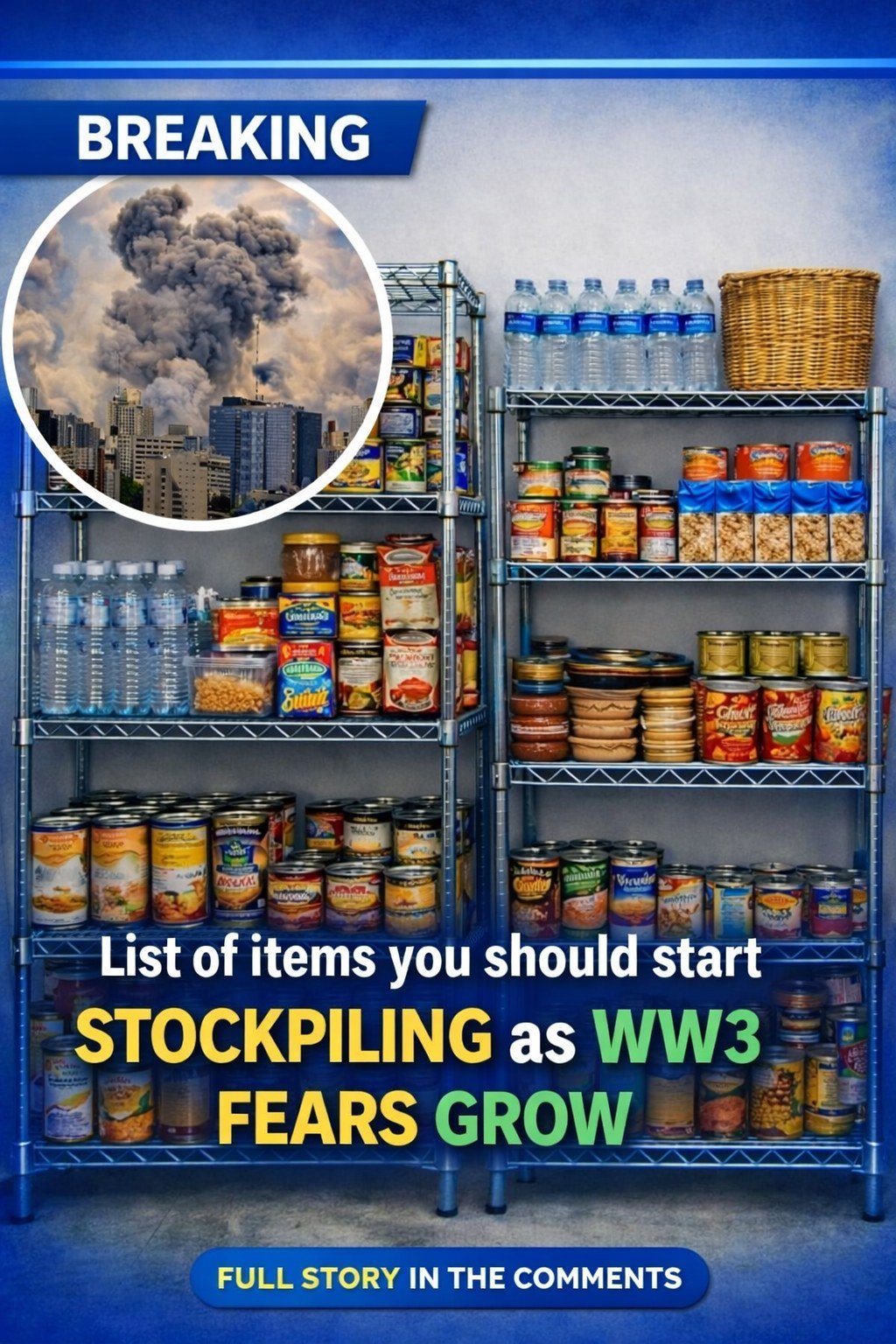
In an unpredictable world, emergencies rarely arrive with advance warning.
Power outages, extreme weather, earthquakes, infrastructure failures, and other sudden disruptions can leave communities without basic services for hours—or sometimes days. Because of this reality, emergency preparedness experts around the world increasingly recommend that households maintain at least 72 hours of essential supplies.
The idea may sound dramatic at first, but the reasoning behind it is practical. In the earliest phase of a crisis, emergency responders often prioritize the most urgent life-threatening situations. That means families may need to remain self-sufficient for a short period before outside assistance fully arrives.
Understanding the 72-hour guideline helps explain why this recommendation has become a cornerstone of modern preparedness planning.
Why the First 72 Hours Matter
Emergency management agencies frequently emphasize the first three days following a disaster because this period is often the most challenging.
During these hours:
- Roads may be blocked by debris or damage
- Power and communication networks may be disrupted
- Emergency services may be stretched across multiple areas
- Supply chains may temporarily halt
Even relatively small disruptions—such as regional storms or infrastructure failures—can interrupt everyday services like electricity, water distribution, or fuel availability.
Having basic supplies available at home allows families to remain safe and comfortable while conditions stabilize.
What Experts Suggest Keeping on Hand
Preparedness specialists typically recommend a collection of everyday items that support basic needs during short-term emergencies.
Common recommendations include:
Drinking Water
A general guideline is about one gallon of water per person per day for drinking and sanitation.
Non-Perishable Food
Foods that require little or no cooking, such as canned goods, dried foods, or packaged meals, can help maintain energy and nutrition.
Basic Medical Supplies
A well-stocked first-aid kit can address minor injuries while waiting for professional medical care.
Lighting and Power Sources
Flashlights, lanterns, and spare batteries provide visibility if electricity is interrupted.
Communication Tools
Battery-powered radios or emergency alerts allow households to receive official updates during disruptions.
Personal Essentials
Items such as medications, hygiene products, blankets, and extra clothing may become important if families must remain indoors or travel temporarily.
These supplies are not meant to replace emergency services. Instead, they provide a temporary buffer until normal systems resume.
Why Preparedness Is Becoming More Important
Over the past decade, many governments and safety organizations have increased public awareness around emergency readiness.
Several factors contribute to this shift:
- Extreme weather events occurring more frequently
- Greater reliance on electrical infrastructure
- Urban populations depending heavily on centralized systems
- Global supply chains that can be disrupted unexpectedly
Preparedness planning helps communities remain resilient even when these systems face temporary interruptions.
The Difference Between Preparation and Panic
One common misconception is that emergency preparedness reflects fear or pessimism about the future.
In reality, it reflects practical risk management.
Just as people carry spare tires in their cars or maintain fire extinguishers in buildings, keeping emergency supplies is simply a precaution.
Most households that assemble emergency kits will never need to use them—but if a disruption occurs, the supplies can make a meaningful difference in comfort and safety.
How Families Can Start Preparing
Building an emergency supply kit does not require large purchases or complicated planning.
Many experts suggest starting gradually:
- Add a few extra bottles of water during grocery trips
- Store several non-perishable food items
- Keep spare batteries and flashlights in accessible locations
- Maintain a basic first-aid kit
Over time, these small steps can grow into a complete 72-hour preparedness supply.
Some families also store emergency contact lists, copies of identification documents, and basic tools that might help during temporary evacuations or extended outages.
Community Preparedness Matters Too
Preparedness does not stop at the household level.
Communities benefit when neighbors communicate, support one another, and share information during emergencies. Local organizations often encourage residents to check on elderly neighbors, coordinate response plans, and stay informed about regional safety guidance.
When individuals and communities prepare together, recovery after unexpected events tends to happen more smoothly.
A Simple Step Toward Resilience
Keeping 72 hours of emergency supplies is not about predicting disasters—it is about recognizing that disruptions can happen and taking simple steps to be ready.
The goal is not to live in fear, but to live with confidence and preparedness.
When families have the essentials they need for the first few days of a crisis, they are better positioned to stay safe, help others, and navigate unexpected challenges calmly.
And sometimes, that small measure of preparation can make all the difference when the unexpected occurs.