Mack O'reilly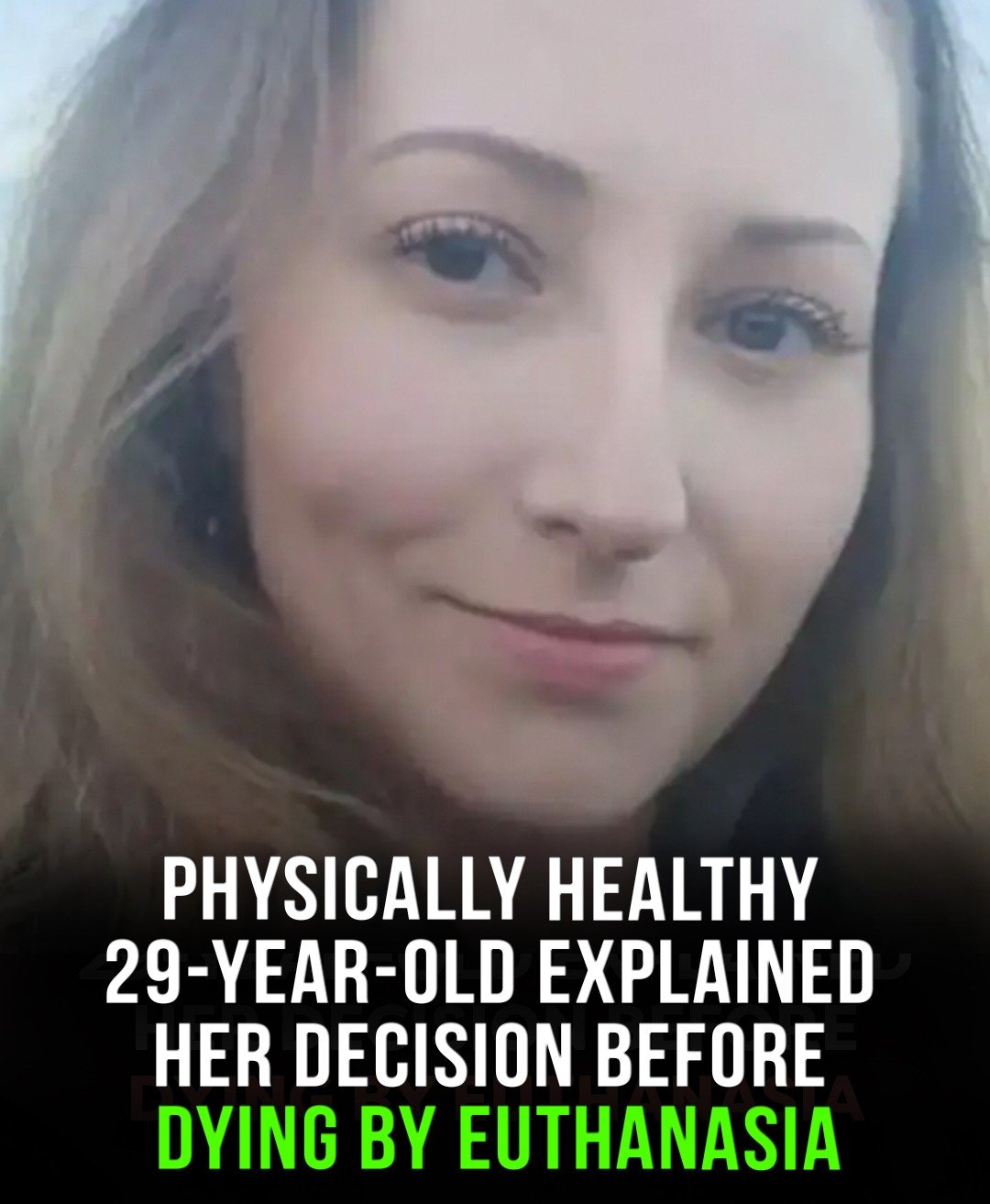
Some stories do more than shock people.
They force a society to confront questions it would rather keep at a distance.
This is one of those stories.
The article centers on Zoraya ter Beek, a 28-year-old Dutch woman who is described as physically healthy but living with severe depression, autism, and borderline personality disorder. According to the report, she planned euthanasia in the Netherlands after being told by her psychiatrist that no further treatment options were likely to help.
The reason the story has spread so widely is not only because it is tragic.
It is because it sits at the intersection of law, medicine, mental illness, and morality — and there is no easy place for that conversation to land.
The Core Question Behind the Story
Most public discussions about euthanasia begin with terminal illness.
People imagine unbearable physical pain, a body in irreversible decline, and someone asking for a final degree of control over the end of life.
This case feels different.
According to the article, ter Beek is physically healthy, but says her psychological suffering has become unbearable and irreversible. In the Netherlands, euthanasia and assisted suicide are legal under strict conditions, including that the request must be voluntary and well considered, and the suffering must be judged unbearable with no prospect of improvement.
That is what makes the case so unsettling for many readers.
It shifts the debate away from visible physical decline and into the far less settled territory of mental suffering.
Why Mental Illness Changes the Entire Debate
Mental illness creates a different kind of ethical tension than terminal disease.
With a terminal diagnosis, society is often dealing with a clearly narrowing timeline. With psychiatric suffering, the line is less visible. People can appear physically well while experiencing profound and relentless pain internally.
That difference shapes the public response.
Critics of psychiatric euthanasia often argue that mental illness can change over time, that new treatments may emerge, and that a person’s sense of hopelessness may not remain permanent. Supporters argue that psychological suffering can be every bit as unbearable as physical pain, and that autonomy should not be denied simply because pain is mental rather than visible. The article presents both of these positions directly.
Why Critics Say the Law Has Shifted Too Far
The article says critics believe euthanasia in some countries has drifted from being a last resort for the terminally ill to becoming a normalized response to severe mental suffering.
That criticism is powerful because it speaks to a broader fear:
not just that one woman may die, but that the system itself may be expanding in ways society has not fully reckoned with.
For critics, the concern is not only legal.
It is cultural.
They worry that if a society becomes more comfortable with assisted death for psychiatric suffering, it may begin to send the message that some lives are less worth protecting when pain becomes hard to treat.
Why Supporters See Something Else Entirely
Supporters of assisted dying laws often frame the issue in terms of dignity and autonomy.
The article states that supporters emphasize relief from unending pain when all hope is gone.
From that perspective, denying euthanasia to someone in relentless mental agony can look less like protection and more like coercion — forcing continued existence on someone who has already exhausted available care and reached a settled decision.
This is why the debate is so difficult.
Each side believes it is defending something essential:
- one side, protection of vulnerable life
- the other, respect for self-determination and the reality of unbearable suffering
The Netherlands Is Central to the Story
The Netherlands is one of the countries most often discussed in international debates about assisted dying because its legal framework is relatively established and closely watched.
The article notes that euthanasia and assisted suicide are legal there under strict review procedures, and it places the Dutch system alongside laws in Belgium, Canada, and parts of Australia and the United States where assisted dying is permitted in certain forms.
That international comparison matters because these stories are never only national.
Each one becomes a test case in a larger global argument about where legal and ethical boundaries should be drawn.
Why This Story Feels So Disturbing to the Public
Part of the answer is age.
At 28, ter Beek’s story clashes with the way people imagine euthanasia cases. Youth makes the story feel not only sad, but dissonant. People instinctively connect youth with possibility, change, treatment, time, and recovery — even when the person living that life no longer feels those things are real.
Another reason is tone.
The article describes her planned death in calm, controlled language, including her wish for a quiet setting at home and for her ashes to rest in a forest.
That calmness intensifies the emotional effect.
It removes the chaos people often expect from stories about despair and replaces it with deliberateness.
Why the Story Is About More Than One Person
Even though the article focuses on one woman, the wider debate is much larger.
This is really a story about systems:
- What counts as “unbearable” suffering?
- Who decides when “no chance of improvement” has been reached?
- How should the law distinguish between autonomy and vulnerability?
- Can psychiatric illness ever be assessed with the same certainty as terminal physical disease?
These are not abstract questions anymore once a real person is at the center of them.
That is why the story has become such a lightning rod.
A Debate With No Comfortable Side
One of the most striking things about the article is that it does not present a clean moral resolution.
It shows a case that critics view as evidence of dangerous legal drift, and supporters view as an example of a person making a sober decision after years of suffering. It also notes that both sides agree on one essential fact: the outcome is irreversible.
That may be the only part of the debate where agreement comes easily.
Everything else remains painfully contested.
Why This Story Will Keep Circulating
Stories like this do not disappear quickly because they touch multiple public anxieties at once:
- fear of mental suffering that cannot be relieved
- fear of legal systems moving too far
- fear of denying agency to suffering people
- fear of granting too much power to systems that decide who may die
Those fears do not cancel each other out.
They stack.
And that is what gives this case its staying power.
Final Thought
This story is not difficult because it is sensational.
It is difficult because it is serious.
A young woman described as physically healthy but psychologically overwhelmed is asking a society to decide whether unbearable mental suffering can justify a legal, medically supervised death. The article makes clear that her case has become a symbol in a much wider debate about psychiatric euthanasia, autonomy, and the responsibilities of modern law.
That is why people are reacting so strongly.
Not because the questions are easy.
But because they are not.
And because once they are asked out loud, they do not leave quietly.