Mack O'reilly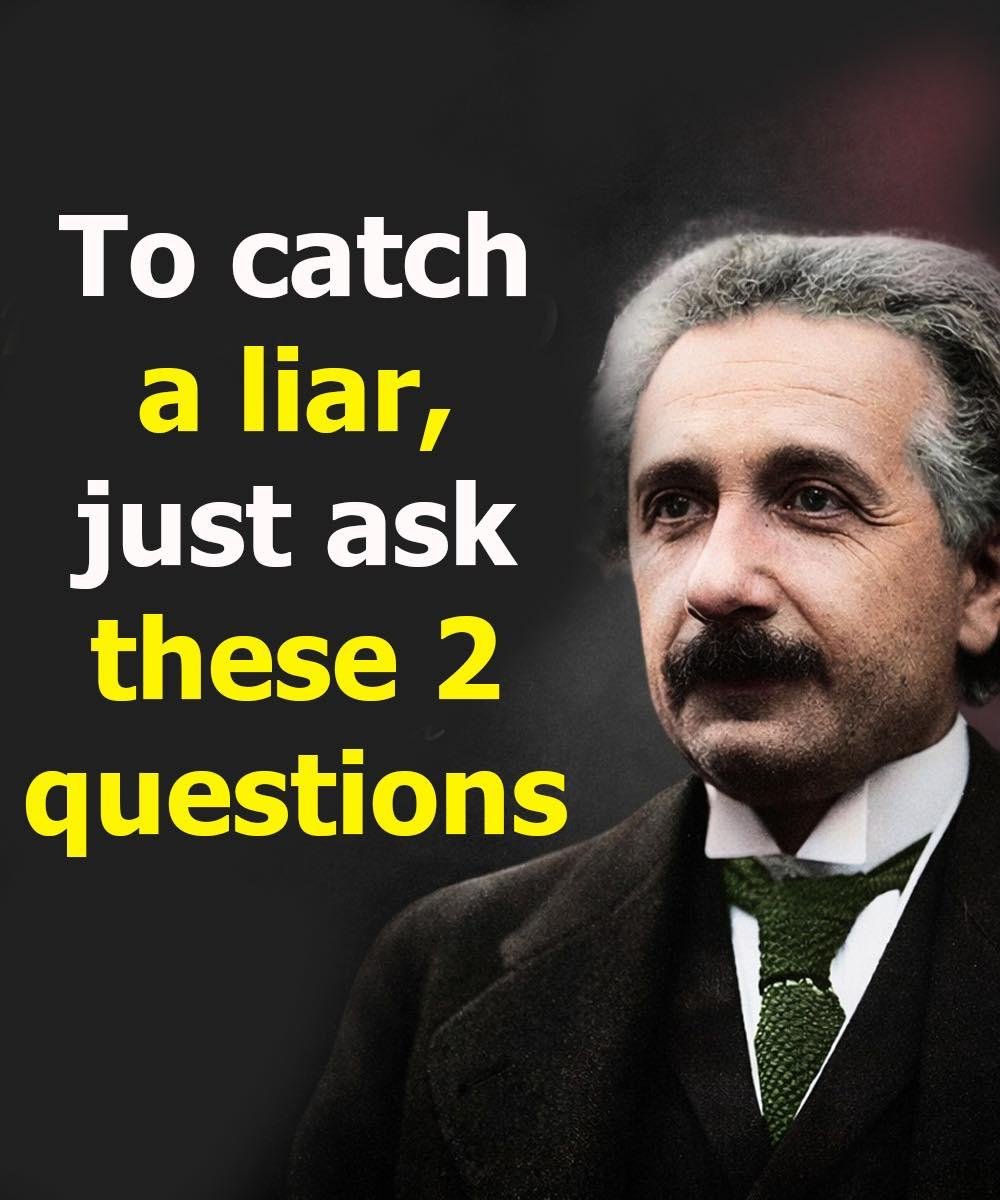
At first glance, the headline promises a practical guide to scams.
You expect red flags, fraud tactics, and warnings about protecting your money or personal information.
But once the article begins, it moves in a different direction.
Rather than listing common scam types, it argues something broader: that one of the strongest protections against deception is clear, independent thinking. The piece frames this idea through reflections associated with Albert Einstein and uses them to make a larger point about judgment, skepticism, and personal resilience.
Why the Article Feels Different From the Headline
The headline suggests a straightforward fraud-awareness guide.
The body of the article, however, is more philosophical. It talks less about scam scripts and more about the habits of mind that make people harder to mislead: reflection, curiosity, openness to evidence, and the willingness to question assumptions. The article says that in a world full of persuasive voices, clear thinking becomes both “intellectual strength and personal protection.”
That shift is important.
Because while the article is not really a scam checklist, it is still trying to answer the same deeper question:
How do people become harder to manipulate?
The Core Message: Independent Thinking as Self-Protection
The strongest idea in the piece is that rigid thinking makes people easier to influence, while thoughtful flexibility makes them harder to fool.
The article says that people who refuse to re-examine their beliefs become predictable, and that manipulation often exploits emotional urgency. In contrast, it argues that pausing, asking questions, and evaluating new information create a kind of mental protection against misinformation and pressure.
That may sound abstract, but it connects directly to how many scams and fraud attempts work.
Most scams rely on the same few weaknesses:
- panic
- haste
- trust without verification
- emotional pressure
- unwillingness to pause and think critically
So even though the article does not name these tactics directly, its broader argument still fits.
Why Manipulation Often Works
The article repeatedly returns to the value of slowing down mentally.
It says that manipulation thrives on urgency and that quick judgments often ignore context. It also emphasizes intellectual humility—the idea that people should recognize how incomplete their knowledge can be.
That matters because fraud rarely works by overpowering logic.
It usually works by bypassing it.
A scammer tries to make someone act before thinking. The more quickly a person feels forced to respond, the less likely they are to verify details, question motives, or notice inconsistencies.
In that sense, the article’s emphasis on reflection is more practical than it first appears.
Why Curiosity Is Safer Than Certainty
One of the article’s more interesting ideas is that imagination and curiosity are part of good judgment, not the opposite of it.
It says imagination helps people see alternatives, question assumptions, and respond more creatively to problems rather than becoming trapped by rigid habits of thought.
That is relevant to fraud awareness too.
People often think of skepticism as a narrow, suspicious mindset. But effective skepticism is usually more curious than cynical. It asks:
- Does this make sense?
- What else could explain this?
- Who benefits if I believe this quickly?
- What evidence is missing?
That kind of thinking is often what stops manipulation before it gets very far.
A Different Kind of Fraud Lesson
What makes this article unusual is that it tries to protect people from deception without focusing on specific scams.
Instead, it promotes habits such as:
- asking questions
- embracing mistakes as learning
- seeking context
- revising beliefs when new evidence appears
- aligning actions with values
That approach may feel less direct than a traditional scam guide, but it points to something real: people who build steadier judgment tend to become less vulnerable not only to fraud, but to misinformation more generally.
Why This Matters Beyond Scams
The article’s broader point is that deception is no longer limited to obvious phone calls or fake emails.
Today, manipulation can arrive through:
- viral posts
- emotional headlines
- misleading claims
- confident-sounding falsehoods
- repeated half-truths
In that environment, fraud awareness becomes part of something larger: information literacy.
And that is where the article’s emphasis on clear thinking, flexibility, and self-awareness becomes more relevant than the mismatch in its headline first suggests.
The Real Takeaway
Even though the article does not provide the concrete scam-warning guide its title implies, it still offers a useful message.
Its strongest argument is simple:
People who pause, question, reflect, and verify are harder to deceive than people who rush, assume, and react from fear.
That may not be as dramatic as a list of “top 10 scam tricks.”
But it is probably more durable.
Because specific fraud tactics change.
Clear thinking does not.