Mack O'reilly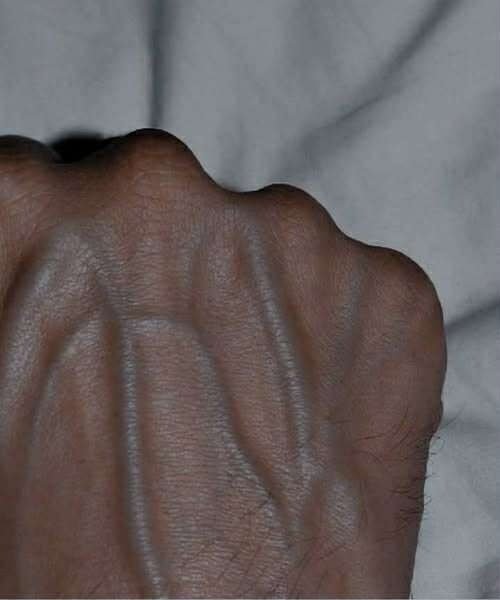
The first time someone notices visible veins, it can feel unsettling.
Maybe they appear on the legs after a long day of standing. Maybe thin blue lines show up around the ankles. Maybe small red or purple “spider” patterns begin spreading near the thighs. Or maybe a vein that was always faint suddenly looks more raised than before.
It is easy to panic.
Online posts often make visible veins sound like a dramatic warning sign. Some say they mean poor circulation. Others claim they point to dangerous clots, heart trouble, liver problems, or hidden disease.
But the truth is more measured.
Visible veins can happen for many reasons. Some are harmless. Some are cosmetic. Some are related to age, genetics, body weight, pregnancy, heat, exercise, or standing for long hours. And sometimes, yes, they can signal a vein problem that deserves medical attention.
The key is not to ignore them — but also not to assume the worst.
Not All Visible Veins Are Dangerous
Everyone has veins close to the skin.
In some people, they are simply easier to see. Lighter skin, thinner skin, low body fat, aging, warm weather, and physical activity can all make veins more visible.
After exercise, veins may stand out because blood flow increases. In hot weather, blood vessels may widen to help the body release heat. With age, the skin becomes thinner and loses some elasticity, making veins easier to notice.
That kind of visibility is often not dangerous.
The concern grows when veins become enlarged, twisted, painful, swollen, warm, discolored, or associated with skin changes.
That is when the issue may go beyond appearance.
Varicose Veins: When Veins Become Enlarged and Twisted
One common reason for visible veins is varicose veins.
Varicose veins are enlarged, bulging veins that often appear on the legs. Mayo Clinic explains that veins return blood to the heart, and the leg veins must work against gravity. When valves inside the veins weaken, blood can pool instead of moving upward efficiently. As blood pools, the veins can enlarge and become visible under the skin.
This is why varicose veins often look like raised cords.
They may appear blue or purple. They may twist under the skin. They may feel heavy, achy, itchy, or uncomfortable, especially after long periods of standing or sitting.
For many people, varicose veins are not immediately dangerous. But they can become painful or lead to complications in some cases.
They are not just a beauty issue for everyone.
Spider Veins: Smaller, Thinner, and Usually Less Serious
Spider veins are different from varicose veins.
They are smaller damaged blood vessels near the skin’s surface and often look red, blue, or purple. Cleveland Clinic describes them as visible vessels that may appear in web-like or branch-like patterns, often on the legs, hands, or face.
Spider veins are usually harmless and often treated as a cosmetic concern.
Still, they can sometimes appear alongside broader vein circulation problems, especially if a person also has swelling, heaviness, pain, or larger varicose veins.
This is why context matters.
A few small spider veins may not mean much. Spider veins plus leg swelling, aching, skin color change, or worsening discomfort should be taken more seriously.
Why Veins Become More Visible Over Time
Visible veins often develop gradually.
Age is one factor. As skin thins and vein valves weaken, veins can become more noticeable.
Genetics also play a large role. If close family members have varicose or spider veins, your chances may be higher.
Standing or sitting for long periods can add pressure to leg veins. Jobs that require long hours on the feet — such as retail, nursing, food service, factory work, and hairdressing — may increase the risk. Long periods of sitting can also reduce healthy blood movement.
Pregnancy can contribute too because blood volume increases and hormonal changes can affect vein walls. Weight gain can add pressure to leg veins. Hormonal factors may also play a role.
The Office on Women’s Health notes that pregnancy, older age, and obesity can increase the risk of varicose and spider veins.
That means visible veins are often the result of pressure, time, and valve changes — not one sudden hidden illness.
Symptoms That Should Not Be Ignored
Visible veins become more concerning when they come with symptoms.
Pain matters. So does swelling. So does warmth, redness, skin discoloration, bleeding, or sudden changes.
Cleveland Clinic advises seeing a healthcare provider promptly if the skin or veins are bleeding, discolored, painful, red or warm to the touch, or swollen.
Other warning signs include one-sided leg swelling, sudden severe pain, shortness of breath, chest pain, or a calf that feels hot, tight, and tender. Those symptoms could point to something more urgent and should be evaluated quickly.
A visible vein by itself may not be an emergency.
A visible vein with sudden swelling, redness, warmth, or severe pain is different.
What You Can Do at Home
For mild visible veins or early varicose symptoms, simple habits may help reduce discomfort.
Walking regularly can support circulation. Elevating the legs can reduce pressure after long standing. Avoiding long periods in one position may help. Maintaining a healthy weight can reduce strain on the veins.
Compression stockings may also help some people by supporting blood flow in the legs. Mayo Clinic lists self-care steps and compression stockings among common first approaches before procedures are considered.
But compression should be used correctly.
People with certain circulation problems, diabetes complications, or skin issues should ask a healthcare professional before using strong compression.
The goal is not to panic-buy treatments online. The goal is to understand the cause and choose the right level of care.
Medical Treatments Exist When Needed
If visible veins are painful, worsening, or bothersome, treatment options are available.
Doctors may recommend procedures such as sclerotherapy, laser treatments, radiofrequency ablation, or other vein treatments depending on the type and severity of the vein problem. Mayo Clinic notes that sclerotherapy involves injecting a solution or foam that scars and closes varicose veins, while other procedures may be suggested for more severe cases.
Dermatologists and vein specialists also treat spider and varicose veins using different methods. The American Academy of Dermatology describes treatments such as endovenous laser therapy and radiofrequency ablation, depending on the vein type.
Treatment is not always medically necessary, but it can help when symptoms affect comfort, confidence, or daily life.
The Bottom Line
Visible veins do not always mean something is seriously wrong.
They can appear because of genetics, age, skin thickness, exercise, heat, pregnancy, weight changes, or long hours sitting or standing. Sometimes they are simply cosmetic. Other times, they are varicose or spider veins connected to weakened valves and blood pooling.
The smart approach is balance.
Do not panic over every visible vein. But do not ignore veins that are painful, swollen, warm, red, bleeding, discolored, or rapidly changing.
Your body often gives small signs before bigger problems appear.
Visible veins are one of those signs worth noticing calmly, not fearfully.
Because the question is not just whether you can see the vein.
The question is what else your body is telling you at the same time.