Mack O'reilly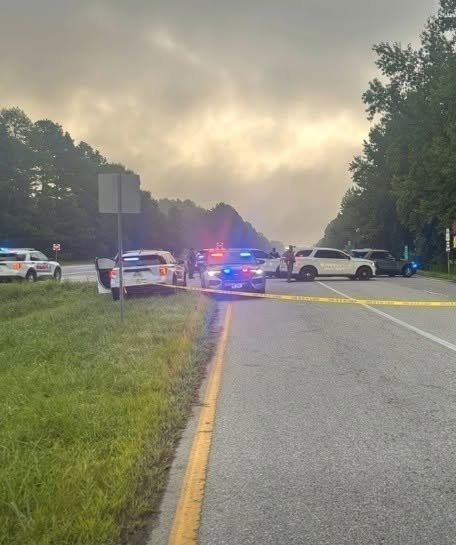
The sentence is built to create alarm.
“Police are urging everyone to stay away from this area.”
It sounds immediate. It sounds local. It sounds dangerous. Most people do not keep scrolling when they see words like that, especially if the post includes a photo of police lights, blocked roads, emergency tape, or a vague warning about an armed suspect.
The reaction is automatic.
Where is this happening?
Is it near me?
Is someone hurt?
Should people be warned?
That is exactly why these posts spread so quickly.
They mix public safety language with uncertainty. They suggest urgency without always giving enough detail. And when the caption ends with “see more,” “full story below,” or “read more,” the reader is pushed to click before they have enough information to judge the claim.
Sometimes the warning may be connected to a real incident. Other times, the post may recycle old details, mix different locations, or use emergency-style language to drive traffic.
That is why readers need to slow down before sharing.
Public Safety Warnings Are Meant to Be Specific
Real police warnings usually include clear details.
They name the location. They explain the immediate risk. They tell people what to do. They may mention road closures, shelter-in-place orders, evacuation zones, suspect descriptions, or areas to avoid.
A vague viral post often does the opposite.
It uses a dramatic warning but leaves out the most important information. Instead of saying exactly where the danger is, it may say “this area.” Instead of naming the police department clearly, it may simply say “police.” Instead of linking to an official alert, it may send readers to a website filled with ads or recycled content.
That does not automatically mean the post is false.
But it does mean the reader should verify it before treating it as a current emergency.
One search result tied to this phrase referenced the 7600 block of Sandy Springs Point and described a barricaded, armed suspect with a shelter-in-place warning. Another result using similar language referred to a Glasgow street being locked down.
That shows the problem clearly: the same type of caption can be used for very different incidents in different places.
Why People Share Before Checking
When a post sounds like an emergency, people often share it out of fear.
They are not trying to spread misinformation. They think they are helping. A warning about police activity feels important, and nobody wants to be the person who ignored a possible danger.
But panic sharing can create confusion.
If an old warning is reposted as new, people may think danger still exists when it does not. If a warning from another city is shared into local groups, residents may become alarmed for no reason. If a post leaves out the exact location, readers may fill in the blanks themselves.
That can waste attention, create fear, and make real alerts harder to notice.
Public safety information works best when it is accurate, timely, and location-specific.
A vague viral post is often missing at least one of those three things.
The “See More” Pattern Is a Warning Sign
Many viral emergency posts use the same structure.
A dramatic first sentence.
A photo that looks urgent.
A vague location.
A phrase like “full story below.”
A link in the comments or attached to a third-party website.
This pattern is common because it creates curiosity.
The reader feels they need to click to understand what is happening. But instead of immediately providing life-safety information, the post may lead to a long article, unrelated ads, or a rewritten story that is not clearly tied to the reader’s area.
That matters because emergencies should not be hidden behind clickbait.
If there is real danger, the key information should be obvious right away: location, time, threat, and official source.
Any post that makes people hunt for those details should be treated carefully.
Real Incidents Can Still Become Misleading Posts
A post does not have to be completely fake to be misleading.
It may be based on a real police incident but shared long after the danger has ended. It may use a real photo from one location with a story from another. It may summarize an official warning but remove the date. It may turn a temporary road closure into a dramatic “stay away” headline.
That is why context matters.
A police lockdown from last year may have been serious at the time, but sharing it today without a date can mislead thousands of people. A shelter-in-place order may apply only to one block, but a vague post can make an entire city feel unsafe.
Accuracy is not only about whether something happened.
It is also about when, where, and whether the warning is still active.
How to Verify a Police Warning Quickly
Before sharing a post like this, check the basics.
Search the exact phrase with the location. Look for the official police department’s website or verified social media account. Check local news outlets. Look at the date and time. Confirm whether the incident is still active or already resolved.
If the post does not name a city, street, police department, or date, do not treat it as a reliable public warning.
Also be careful with pages that repeatedly post vague emergency headlines from different places. They may be using real fear to generate clicks.
A real safety alert should help people act.
A clickbait alert keeps people guessing.
What to Do If It Is Actually Near You
If you confirm that police are warning people to avoid an area near you, follow official instructions.
Stay away from the scene. Do not drive toward it to look. Do not livestream police activity. Do not share unverified suspect locations or tactical movements. Keep children and pets indoors if there is a shelter-in-place order. Check updates from official local sources.
If roads are closed, use another route.
If police tell residents to remain inside, do so until the order is lifted.
Curiosity can put people at risk during active incidents. It can also interfere with emergency responders.
The safest thing most people can do is stay clear and let professionals handle the scene.
Why This Kind of Content Performs So Well
Fear is one of the strongest drivers of online attention.
A story about a blocked road may not get much engagement. But a story saying police are urgently warning everyone to stay away feels much bigger, even if the actual situation is limited.
That is the business side of viral posts.
The more alarming the headline, the more likely people are to click. The more people click, the more valuable the traffic becomes. Public safety language becomes a hook.
This creates an uncomfortable situation: real emergency language gets borrowed for engagement.
And when that happens too often, people may start ignoring warnings altogether.
That is dangerous because real alerts still matter.
The Bigger Lesson
Readers should not become cynical about every police warning.
Some are real. Some are urgent. Some protect lives.
But readers should become more careful about how warnings are packaged online.
A verified alert from a police department is different from a vague social media post using emergency language without clear details. A current local incident is different from an old story recycled into a fresh-looking caption.
The difference matters.
During emergencies, bad information can spread almost as fast as good information. Sometimes faster.
The Takeaway
When you see a post saying police are urging everyone to stay away from an area, do not ignore it — but do not share it blindly either.
Check the location. Check the date. Check the official source. Look for reliable local reporting. Make sure the warning is current and relevant before spreading it to others.
Public safety depends on trust.
That trust becomes weaker when vague, recycled, or exaggerated posts are passed around as urgent alerts.
The safest response is simple: verify first, then act.
Because in a real emergency, clear information helps.
Confusion does not.