Mack O'reilly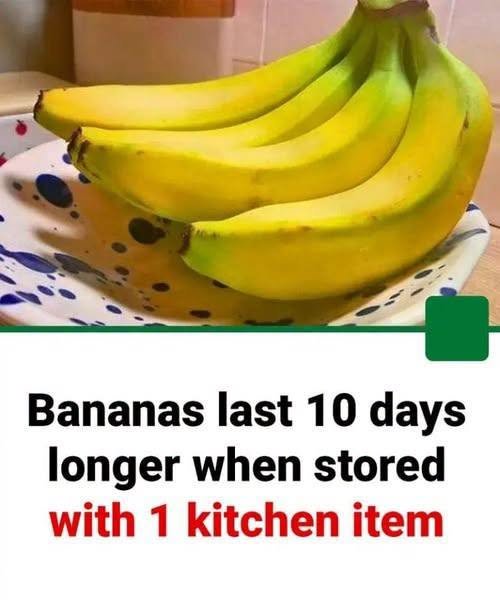
Bananas are one of the most useful fruits to keep at home.
They are cheap, filling, easy to eat, and work in almost everything: breakfast bowls, smoothies, pancakes, desserts, lunchboxes, and quick snacks. But they also come with one frustrating problem.
They seem to turn too fast.
One day they are green. The next day they are perfect. Then suddenly, the peel is covered in brown spots, the fruit is soft, and everyone in the house starts saying the same thing: “We need to make banana bread.”
That fast change is not random.
Bananas continue ripening after they are picked, and one of the main reasons is ethylene gas, a natural plant hormone that helps trigger ripening. Bananas produce ethylene, and keeping them near other ethylene-producing fruits like apples, pears, or avocados can speed things up even more. The University of Nebraska-Lincoln’s food guidance recommends keeping bananas separate from other ethylene-producing fruits and avoiding plastic bags that trap moisture and ethylene.
The good news is that a few simple storage habits can slow the process.
Why Bananas Ripen So Quickly
Bananas are climacteric fruit, which means they keep ripening after harvest.
That is why bananas can be shipped green and later ripened before sale. During storage and transport, bananas are kept under controlled conditions to slow natural ethylene production. After arrival, they can be exposed to ethylene in controlled amounts to trigger ripening before reaching stores.
At home, the process continues.
Warm rooms, direct sunlight, closed bags, bruising, and nearby ripe fruit can all make bananas ripen faster. Once one banana becomes very ripe, it can also encourage the others around it to ripen more quickly.
That is why a bunch often seems to turn all at once.
The bananas are not acting separately. They are influencing each other.
The Popular Trick: Wrap the Stems
One of the most common banana-saving tricks is to wrap the stems.
The idea is simple: cover the crown or stem area with plastic wrap or foil to slow the release and spread of ethylene. Nebraska Extension recommends wrapping banana stems with plastic wrap or foil to help prevent ethylene gas from speeding up ripening.
This is the same reason some grocery-store banana bunches already come with plastic around the crown.
The trick is not magic, but it can help.
A recent test by The Kitchn found that wrapping the stems with plastic wrap performed well compared with several other storage methods, rating it 8 out of 10. Their test explained the common reasoning: ethylene gas is released around the stems, so containing that area may slow ripening.
The effect will not be identical every time. Ripeness at purchase, room temperature, humidity, bruising, and banana variety all matter. But stem wrapping is simple enough that it is worth trying.
Should You Wrap the Whole Bunch or Each Banana?
For best results, many people separate bananas and wrap each stem individually.
That can slow how quickly one banana affects the others. But it is also more effort and uses more wrap. For normal household use, wrapping the crown of the bunch is usually the easiest method.
A practical version looks like this:
Separate bananas only if you want maximum control.
Keep the stems dry.
Wrap the stem area tightly with plastic wrap or foil.
Rewrap the crown after removing a banana from the bunch.
Store them away from apples, avocados, pears, tomatoes, and other ripening fruits.
The goal is not to stop ripening forever.
It is to buy a few extra days.
Keep Bananas Away From Other Fruit
The fruit bowl may look nice, but it is not always the best place for bananas.
Apples, pears, avocados, tomatoes, and other fruits can release ethylene too. When bananas sit beside them, ripening can speed up. Simply moving bananas to a separate spot can help them last longer. Nebraska Extension specifically recommends keeping bananas separate from ethylene-producing fruits like apples and avocados.
This is especially useful if your kitchen is warm.
A banana bunch sitting in a sunny fruit bowl next to apples is almost guaranteed to ripen fast.
A banana bunch stored separately, away from direct heat, with wrapped stems, will usually hold better.
Do Not Store Green Bananas in the Fridge
Refrigeration is where people get confused.
Cold temperatures can interfere with banana ripening if the bananas are still green. A banana expert quoted by Simply Recipes warned against refrigerating bananas too early because cold can negatively affect ripening and taste.
The better rule is this:
Keep green bananas at room temperature until they ripen.
Once bananas are ripe, refrigeration can help slow further softening. The peel may turn brown or dark in the fridge, but the fruit inside can remain usable longer.
That visual change scares people, but a dark peel does not automatically mean the banana is spoiled. Open it and check the inside.
If the fruit smells fermented, feels slimy, leaks liquid, or has mold, throw it away.
If it is just soft and sweet, it may be perfect for smoothies, baking, pancakes, or freezing.
Hanging Bananas Can Help Too
Another simple trick is to hang bananas.
A banana hanger can reduce bruising because the fruit is not pressing against a hard surface or against other fruit in a bowl. Nebraska Extension notes that hanging bananas can help them ripen more evenly and prevent bruising.
Bruising matters because damaged fruit tends to break down faster.
If you do not have a hanger, place bananas somewhere they will not be crushed, bumped, or trapped under other produce.
Small handling changes can make a noticeable difference.
Avoid Plastic Bags
A sealed plastic bag may seem like it would protect bananas, but it usually does the opposite.
It traps moisture and ethylene around the fruit, which can speed ripening and encourage spoilage. Nebraska Extension specifically advises avoiding plastic bags for banana storage because they can trap moisture and ethylene gas.
This is different from wrapping only the stem.
Stem wrapping targets the crown area while still leaving the fruit exposed to normal airflow. Bagging the whole bunch creates a humid environment around everything.
That is not what you want.
What to Do When Bananas Are Already Too Ripe
Overripe bananas are not useless.
In many recipes, they are better.
The softer and sweeter they become, the more useful they are for banana bread, muffins, pancakes, smoothies, oatmeal, and homemade ice cream-style blends.
If you know you will not eat them in time, peel them and freeze them.
Freeze whole bananas, sliced bananas, or mashed banana portions. That way, you avoid waste and always have a smoothie or baking ingredient ready.
This is often the best “trick” of all.
Do not fight ripening forever. Use it at the right stage.
A Simple Banana Storage Routine
The easiest routine is this:
When bananas are green, keep them at room temperature, away from direct sun and away from apples or avocados.
When they are yellow and close to perfect, wrap the stems if they are not already wrapped.
When they are ripe and you need more time, move them to the fridge.
When they become very soft, freeze them for baking or smoothies.
This approach gives you different options at each stage instead of waiting until the whole bunch goes bad at once.
The Takeaway
The kitchen trick that helps bananas stay fresh longer is not complicated.
Wrap the stems, keep bananas away from other ethylene-producing fruits, avoid sealed plastic bags, protect them from bruising, and refrigerate only after they are ripe.
These steps will not keep bananas perfect forever, but they can slow the process enough to reduce waste and give you more time to use them.
Bananas ripen quickly because that is what they are designed to do.
The goal is not to stop nature.
It is to manage it just long enough to enjoy the fruit before it turns into tomorrow’s banana bread.