Mack O'reilly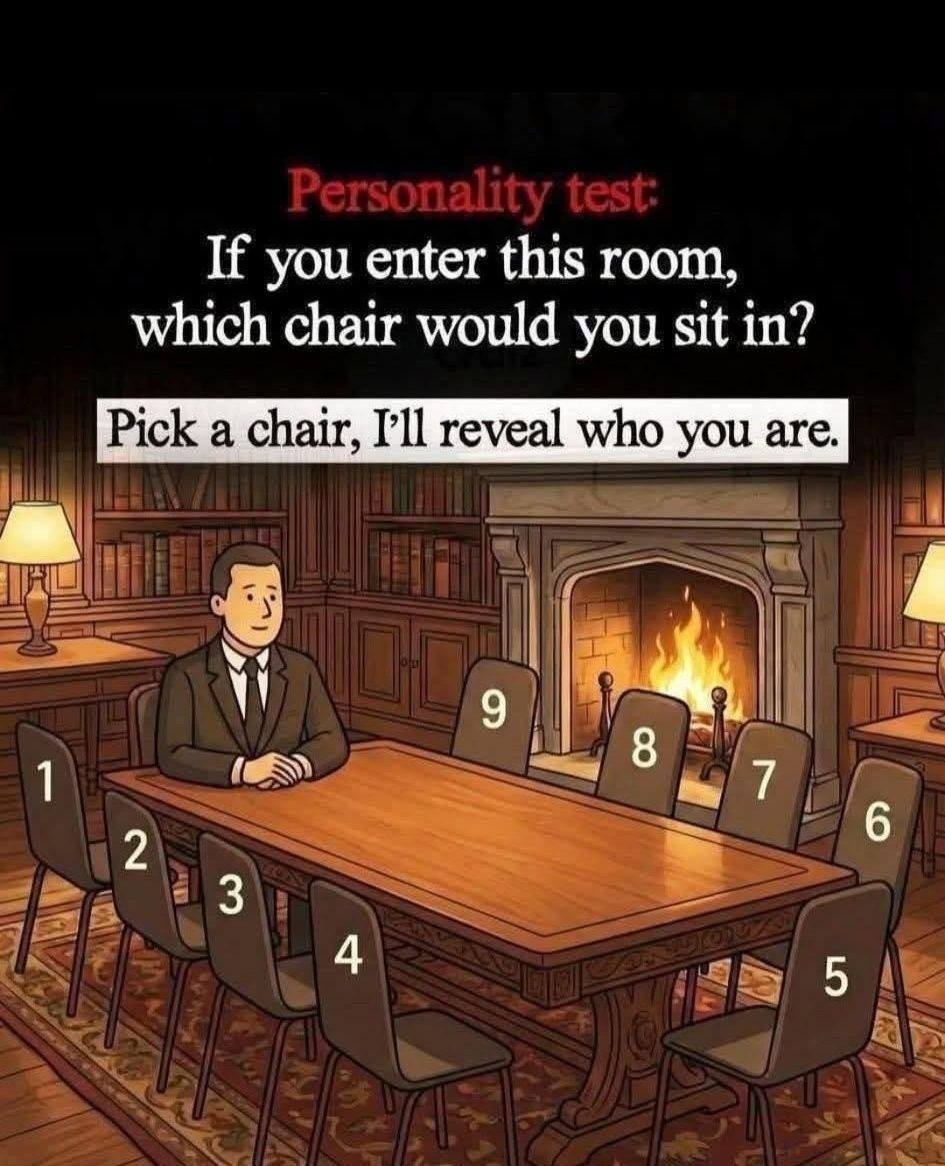
A small diagram appears on the screen.
It shows a table, a few chairs, and a handful of people already seated. One seat remains open. The question is simple:
“Where would you sit?”
At first glance, it feels like a casual puzzle. But within seconds, people begin analyzing every detail of the scene. Some pick a seat immediately. Others pause, carefully evaluating the positions of everyone already sitting there.
Across social media, this simple question has sparked thousands of debates. People compare answers, defend their choices, and wonder what their decision might reveal about their personality.
But what makes a puzzle like this so engaging?
The answer lies in how humans interpret social environments.
Why Seat Choice Matters More Than We Think
In everyday life, choosing where to sit is rarely random.
When entering a café, meeting room, classroom, or dinner gathering, people unconsciously evaluate their surroundings. Factors like comfort, personal space, visibility, and social dynamics influence the decision.
For example, someone might choose a seat because:
- It offers a clear view of the room
- It allows them to sit near someone familiar
- It provides more personal space
- It avoids sitting directly across from someone intimidating
These decisions happen quickly and often without conscious thought.
That’s why puzzles about seating arrangements feel surprisingly revealing.
The Psychology Behind the Puzzle
When viewers look at the image and decide where they would sit, they are essentially imagining themselves in that environment.
Their brains begin asking subtle questions:
- Who at the table seems approachable?
- Which seat feels safest?
- Where would I feel most comfortable?
- Would I prefer to observe quietly or engage actively?
Each person answers these questions differently based on personality and experience.
This is why two people can look at the same diagram and make completely different choices.
Common Patterns in Seat Selection
While every individual is unique, researchers studying social behavior have observed some general patterns.
The Observer
Some people choose seats that give them a clear view of the entire room. This allows them to watch conversations and assess the environment before speaking.
The Connector
Others prefer seats that place them near several people, making conversation easier and allowing them to participate actively.
The Comfort Seeker
Certain individuals gravitate toward seats with more personal space or less direct interaction.
The Strategist
Some participants analyze the entire layout carefully, trying to find the position that provides the greatest advantage socially.
These patterns don’t define personality with scientific certainty, but they illustrate how environmental choices reflect different social instincts.
Why These Puzzles Spread So Fast Online
The seat-choice puzzle has become popular on platforms like Facebook, TikTok, and Instagram for several reasons.
First, it’s simple. Anyone can understand the question instantly.
Second, it invites participation. Instead of passively watching a video, viewers are encouraged to make a decision.
Third, it creates discussion. When friends share their answers, disagreements and curiosity naturally follow.
Social media algorithms tend to amplify content that generates comments and interaction, which helps puzzles like this reach even larger audiences.
The Appeal of Self-Discovery
Many people enjoy personality quizzes and visual puzzles because they promise insight into human behavior.
Even if the results are not scientifically definitive, they offer a moment of reflection.
People enjoy asking themselves questions like:
- Why did I choose that seat?
- What does that say about my personality?
- Would I choose the same seat in real life?
This curiosity about personal behavior keeps viewers engaged long after they first see the puzzle.
The Difference Between Entertainment and Science
While these puzzles are entertaining, it’s important to remember that personality cannot be determined from a single choice.
Human behavior is complex and influenced by many factors, including mood, context, culture, and past experiences.
A seat-selection puzzle is best viewed as a conversation starter rather than a psychological test.
Still, it highlights something interesting: even the smallest everyday decisions can reveal patterns in how people think and interact.
Why Simple Questions Work Best
In a world filled with constant information and complicated discussions, simple challenges often stand out.
A single question—Where would you sit?—requires no background knowledge, no special skills, and no time commitment.
Yet it sparks curiosity, reflection, and debate.
That combination is exactly what makes content spread across the internet.
A Small Choice With Big Curiosity
The next time you encounter a seating puzzle like this, take a moment to notice how quickly your mind forms an answer.
You might think it’s just a game.
But behind that quick decision lies a fascinating glimpse into how people navigate social spaces, assess situations, and choose where they feel most comfortable.
And sometimes, the simplest question can reveal the most interesting conversations.