Mack O'reilly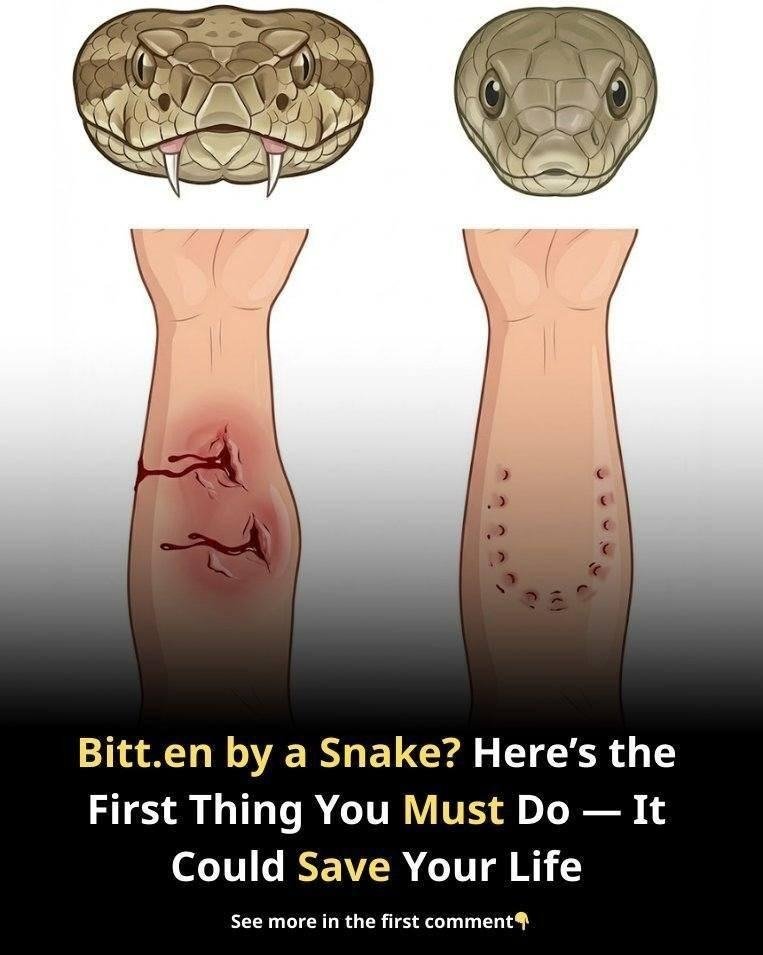
Snake bites are rare in many parts of the world, but when they happen, they can become serious very quickly. In areas where venomous snakes live, knowing how to respond during the first few minutes after a bite can make a significant difference in medical outcomes.
The internet is filled with dramatic advice about snake bites—some helpful, some outdated, and some completely incorrect. Understanding the correct first response can help reduce panic and guide people toward the safest actions until professional medical care is available.
Why the First Minutes Matter
When a venomous snake bites, venom may enter the bloodstream through the bite wound. The speed at which symptoms appear depends on several factors, including the species of snake, the amount of venom injected, and the location of the bite.
In many cases, symptoms can include:
- Pain or swelling around the bite area
- Redness or bruising
- Nausea or dizziness
- Difficulty breathing in severe cases
However, not every snake bite involves venom. Some bites are “dry bites,” where no venom is injected. Because it is often impossible to determine this immediately, medical professionals recommend treating every snake bite seriously.
The Most Important First Step: Stay Calm and Seek Medical Help
One of the most critical actions after a snake bite is remaining as calm as possible and seeking medical assistance immediately.
Panic can increase heart rate and circulation, which may allow venom to spread through the body more quickly. Staying still and limiting movement can help slow this process.
Emergency services or local medical providers should be contacted as soon as possible.
Limiting Movement Can Help
If someone is bitten, experts recommend minimizing movement of the affected limb.
Keeping the bitten area at or slightly below heart level may help reduce the spread of venom through the bloodstream. The person should avoid walking long distances or engaging in unnecessary physical activity.
If possible, another person should assist with transportation to medical care.
What Not to Do After a Snake Bite
Many traditional remedies for snake bites are now considered ineffective or harmful.
Experts generally advise against:
- Attempting to suck venom from the wound
- Cutting the bite area
- Applying ice directly to the wound
- Using tight tourniquets unless instructed by medical professionals
- Trying to capture or kill the snake
These actions can worsen injuries or delay proper treatment.
Instead, focus should remain on getting medical help quickly.
Why Professional Treatment Is Essential
Hospitals and emergency clinics are equipped with treatments that can address venom exposure, including antivenom medications when necessary.
Medical professionals also monitor vital signs, manage swelling, and treat secondary complications.
Prompt medical care significantly improves recovery outcomes.
Recognizing Venomous Snakes
In many regions, only a small number of snake species are venomous. However, identifying a snake correctly can be difficult, especially during a stressful situation.
If it is safe to do so, taking note of the snake’s color, shape, or pattern can help medical staff identify the species. But personal safety should always come first.
No one should risk another bite trying to capture a photo or approach the snake.
Prevention Is the Best Protection
While snake bites can happen unexpectedly, certain precautions can reduce risk when spending time outdoors.
These include:
- Wearing sturdy boots in areas known for snake activity
- Avoiding tall grass or thick brush where snakes may hide
- Using a flashlight when walking at night
- Keeping hands away from holes, rocks, or logs without looking first
Being aware of surroundings is often the most effective safety measure.
Why Snake Bite Awareness Matters
Snake encounters are a part of nature in many ecosystems. Most snakes prefer to avoid humans and will only bite when threatened or stepped on.
Understanding how to respond calmly and correctly helps prevent unnecessary harm.
When people know what to do—and what not to do—they are better prepared to handle a rare but potentially dangerous situation.
The Key Takeaway
A snake bite can feel frightening, but clear thinking and quick action are essential.
The most important steps are simple:
- Stay calm.
- Limit movement.
- Seek medical help immediately.
With the right response and proper medical care, many snake bite victims recover successfully.
Knowing these basics can help transform a moment of panic into a moment of preparedness.