Mack O'reilly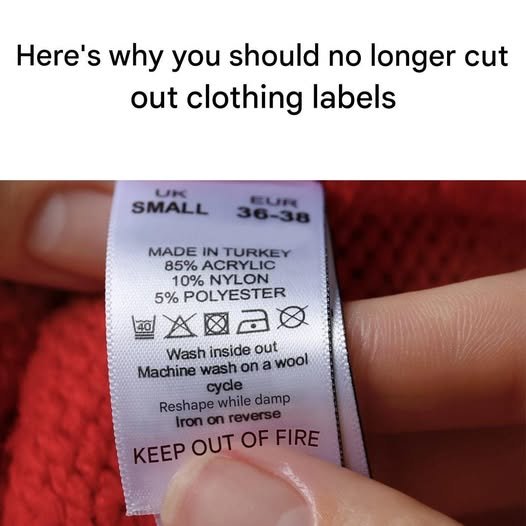
For most people, clothing tags are one of the first things they remove after buying something new.
The moment a shirt, jacket, or pair of pants comes out of the packaging, the scissors come out too. Tags can feel uncomfortable against the skin, and many people see them as nothing more than an annoying extra piece of fabric.
But those small labels stitched into clothing often contain important information that can make a big difference in how long your clothes last.
Before cutting them off, it’s worth understanding why clothing tags exist and what they actually tell you.
What Clothing Tags Are Designed to Do
Clothing labels serve several practical purposes.
They provide instructions that help people care for fabrics properly, maintain the shape of garments, and avoid accidental damage during washing or drying.
Without these guidelines, it would be much easier to shrink, stretch, or discolor clothing.
The most common information found on clothing tags includes:
- Washing temperature recommendations
- Drying instructions
- Ironing guidelines
- Fabric composition
- Manufacturer details
While these details might seem minor, they are based on the properties of the materials used in the garment.
Understanding Fabric Composition
One of the most useful pieces of information on a clothing tag is the fabric blend.
Clothing can be made from a wide variety of materials, such as:
- Cotton
- Polyester
- Wool
- Linen
- Elastane or spandex
Each material behaves differently when exposed to heat, water, and friction.
For example, cotton may shrink in hot water, while wool can lose its shape if washed improperly. Synthetic fabrics might require lower heat when ironing.
Knowing the fabric blend helps you choose the right cleaning method.
The Meaning Behind Washing Symbols
Many clothing tags use small symbols rather than written instructions.
These icons represent standardized care guidelines used worldwide. Once you recognize them, they become easy to understand.
Some common examples include:
- A bucket of water indicating machine wash instructions
- A triangle symbol related to bleaching
- A square with a circle indicating tumble drying
- An iron symbol showing whether ironing is safe
Dots inside these symbols often represent temperature levels, helping you determine whether to use low, medium, or high heat.
These small icons can prevent costly mistakes.
Why Tags Are Important for Delicate Clothing
For everyday clothing like t-shirts or jeans, care instructions may seem less critical.
But for delicate garments—such as wool sweaters, silk shirts, or formal clothing—the instructions on the tag can be essential.
Certain fabrics may require:
- Hand washing instead of machine washing
- Air drying instead of tumble drying
- Professional dry cleaning
Ignoring these recommendations can lead to shrinking, fading, or permanent damage.
Another Hidden Purpose of Clothing Tags
In addition to care instructions, some clothing tags include product codes or batch numbers.
These identifiers help manufacturers track garments in case of defects, recalls, or customer service inquiries.
If you ever need to contact a clothing brand about a problem with an item, the tag can provide information that helps identify exactly where and when the garment was produced.
Once the tag is removed, this information is usually lost.
Comfort vs. Practicality
Of course, clothing tags can sometimes be uncomfortable, especially if they are made from stiff material or positioned in sensitive areas like the neck.
Fortunately, many modern brands now use softer labels or print instructions directly onto fabric to improve comfort.
If a tag feels irritating, one option is to carefully cut around the edges while leaving a small portion attached. This keeps the information available while reducing discomfort.
A Small Label With a Big Purpose
It’s easy to overlook clothing tags because they are small and often hidden inside seams.
But these labels represent a thoughtful system designed to help people care for their clothing properly.
By following the information provided, you can often extend the lifespan of garments, maintain their appearance, and avoid unnecessary replacements.
In other words, that tiny piece of fabric you’re about to cut off might actually be the key to keeping your clothes looking their best.
A Simple Habit That Saves Time and Money
Taking a few seconds to read a clothing tag before removing it may seem like a minor habit.
Yet it can prevent common laundry mistakes that lead to shrinking, fading, or fabric damage.
The next time you buy a new piece of clothing, pause for a moment before reaching for the scissors.
That small label might have more to tell you than you expect.