Mack O'reilly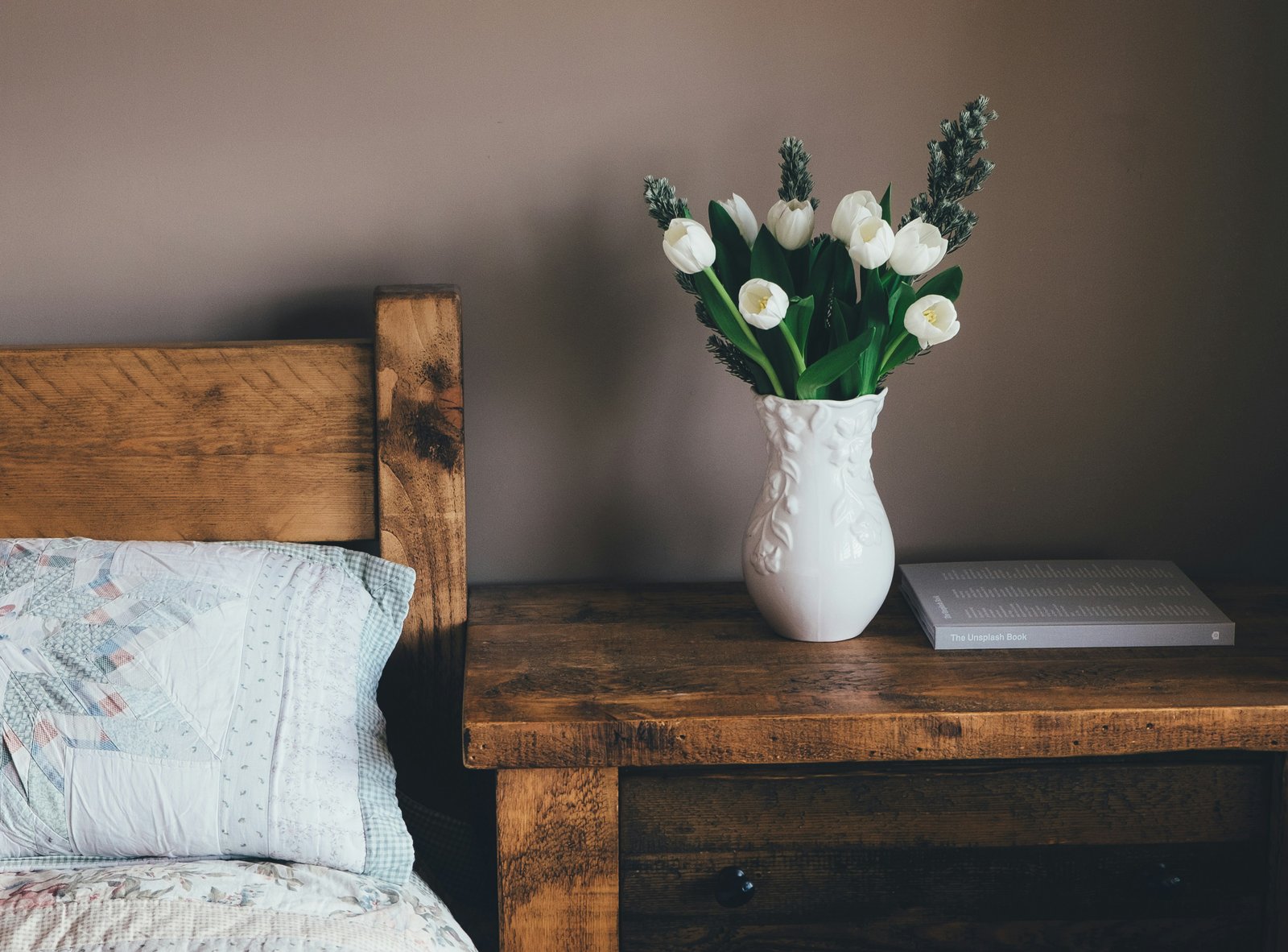
A well-designed bedroom needs more than attractive furniture. Each piece should support comfort, storage, movement, and the way you use the room every day.
The bed will naturally be the main feature, but practical supporting pieces such as bedside tables, a dresser, and suitable lighting determine whether the bedroom remains organized and comfortable.
You do not need to purchase everything at once. Start with the true bedroom furniture essentials, measure the available space, and add optional pieces only when they provide a clear purpose.
1. A Supportive Bed and Bed Frame
The bed is the most important piece of bedroom furniture, so its size and position should be planned first. Choose the largest mattress that fits comfortably without restricting movement or blocking doors, windows, and storage.
Common options include:
- Twin bed: Suitable for one person or a compact bedroom
- Full bed: Provides additional width without occupying as much space as a queen
- Queen bed: A versatile choice for many primary bedrooms
- King bed: Best suited to larger rooms with generous walking space
- Storage bed: Useful when the bedroom has limited closet space
- Platform bed: Offers a clean, modern appearance and may not require a box spring
Always check the mattress and bed-frame specifications before purchasing. Not every mattress works with every type of base.
2. One or Two Bedside Tables
A bedside table provides a convenient place for lighting, a phone, a book, and other small nighttime items. It also visually anchors the bed and makes the room feel more complete.
Choose a nightstand close to the height of the top of the mattress. If it is much lower or higher, reaching for items may feel awkward.
For a small bedroom, consider:
- A narrow pedestal table
- A floating wall shelf
- A wall-mounted drawer
- A compact stool
- A headboard with built-in shelves
If two people share the room, provide a surface and light on each side of the bed when space permits.
3. A Dresser or Chest of Drawers
A dresser provides folded-clothing storage and an additional surface for useful or decorative items. Low, wide dressers can also support a mirror, lamp, or carefully arranged display.
A tall chest of drawers uses less floor space and may be more suitable for a compact bedroom. However, all tall or heavy storage furniture should be anchored according to the manufacturer’s instructions to reduce tipping risk.
Before buying, measure the dresser with its drawers fully extended. Confirm that you will still have enough space to walk past it comfortably.
4. A Wardrobe or Clothing Rack
Bedrooms without sufficient built-in closet space may require a wardrobe. Closed wardrobes keep clothing visually contained, helping the bedroom feel calmer and more organized.
Look for a design that includes a combination of:
- Hanging rails
- Adjustable shelves
- Interior drawers
- Shoe storage
- Upper compartments for seasonal items
An open clothing rack can work in a small room or rental, but it requires regular organization because everything remains visible. Use matching hangers and avoid overcrowding the rail.
5. Functional Bedside Lighting
Although lighting is not always categorized as furniture, it is an essential part of the bedside setup. Each side of the bed should have easily accessible light for reading and general nighttime use.
Table lamps are simple and flexible, while wall-mounted sconces free the nightstand surface. Pendant lights can create a polished appearance but may require professional installation.
Choose lighting that directs enough light toward the bed without producing uncomfortable glare. Warm-white bulbs usually create a more relaxing evening atmosphere than very cool lighting.
6. A Full-Length or Dressing Mirror
A full-length mirror is practical for checking an outfit and can help reflect natural light around the bedroom. Position it where you can stand far enough away to see your full reflection.
Possible placements include:
- Beside the wardrobe
- Attached to a closet door
- Leaning securely against a wall
- Mounted behind the bedroom door
- Integrated into a freestanding wardrobe
Mirrors should be mounted or secured correctly, especially large or heavy designs. Avoid placing a mirror where it produces distracting reflections while you are resting.
7. A Bedroom Bench or Storage Ottoman
A bench at the foot of the bed creates a convenient place to sit while getting ready. A storage model can also hold extra blankets, pillows, or seasonal bedding.
The bench should be narrower than the bed and leave a clear walkway around it. In a small room, skip this piece if it makes the layout feel crowded.
An upholstered ottoman is a softer alternative, while a wooden bench works well in rustic, minimalist, and Scandinavian-style bedrooms.
8. A Comfortable Chair
A bedroom chair can create a separate reading or relaxation area, but it should only be included when the room has sufficient space. Otherwise, it may become a place where clothing collects.
Choose a chair based on how it will be used:
- A compact accent chair for getting dressed
- An upholstered armchair for reading
- A small desk chair for occasional work
- A rocking chair for a nursery-bedroom combination
Place a reading chair near a window or floor lamp, but keep it outside the room’s main walking paths.
9. A Desk or Vanity
A desk or vanity may be useful when the bedroom must serve more than one purpose. A compact desk can provide space for studying or working, while a vanity creates a dedicated area for personal care and storage.
When possible, position a desk away from the bed. Visually separating work and rest areas helps the room feel more organized.
For a small bedroom, consider a narrow wall-mounted desk, folding surface, or desk that can also function as a bedside table.
10. Practical Storage Furniture
Additional storage should solve a specific problem rather than simply fill an empty wall. Assess what needs to be stored before selecting another cabinet, shelf, or storage box.
Useful options include:
- Under-bed drawers
- A storage headboard
- Wall-mounted shelves
- A blanket chest
- Baskets inside a shelving unit
- An over-door organizer
- A narrow linen cabinet
Closed storage usually creates a calmer appearance, while open shelves are best reserved for items that can remain neatly arranged.
Essential Furniture for a Small Bedroom
A small bedroom should prioritize comfort and movement. The basic furniture list may include only:
- A correctly sized bed
- One narrow bedside table or floating shelf
- A compact wardrobe or dresser
- Bedside lighting
- Under-bed storage
Avoid purchasing matching furniture sets before measuring the room. Although coordinated sets can look attractive, they often include more furniture than a small space can accommodate.
Multifunctional pieces are especially valuable. A storage bed, wall-mounted nightstand, or desk that doubles as a vanity can reduce the number of individual items required.
How to Measure Before Buying Bedroom Furniture
Measure the entire bedroom and record:
- Wall lengths
- Ceiling height
- Door and window positions
- Closet-door movement
- Radiators and heating vents
- Electrical outlets
- The direction each door opens
Mark the furniture dimensions on the floor with painter’s tape. This gives you a more realistic sense of scale than looking at measurements online.
Try to maintain clear walking paths around the bed and between storage furniture. The exact clearance needed depends on the room and its users, but approximately 24 to 30 inches can provide a useful planning target where space allows.
How to Coordinate Bedroom Furniture
Bedroom furniture does not need to come from one matching collection. A room can feel more natural when pieces coordinate without being identical.
Create consistency by repeating two or three elements:
- Similar wood undertones
- Matching metal hardware
- Repeated curved or straight lines
- A controlled color palette
- Related upholstery fabrics
For example, a rustic wooden bed can be paired with a darker wooden nightstand if both pieces share visible grain and warm undertones.
Best Order for Buying Bedroom Furniture
If you are furnishing the bedroom gradually, purchase items in this order:
- Mattress
- Bed frame
- Bedside table
- Bedside lighting
- Wardrobe or dresser
- Mirror
- Additional storage
- Optional seating
- Desk or vanity
- Decorative furniture
This order ensures that the most important comfort and storage needs are addressed before the budget is spent on optional pieces.
Common Bedroom Furniture Mistakes
Buying Furniture Without Measuring
Furniture often looks smaller in a showroom or online photograph. Measure the room, doorways, hallways, and stairs before ordering.
Blocking Natural Light
Avoid placing tall wardrobes directly in front of windows. Natural light helps a bedroom feel larger and more comfortable.
Choosing Too Many Small Pieces
Several small tables and storage units can create more visual clutter than one correctly sized dresser or wardrobe.
Ignoring Drawer and Door Clearance
Allow enough room to open drawers, wardrobe doors, and under-bed storage without hitting nearby furniture.
Filling Every Empty Corner
Empty space is part of a functional design. A bedroom needs clear walking areas more than it needs another decorative chair or cabinet.
Final Thoughts
The most important bedroom furniture essentials are a supportive bed, accessible bedside storage, suitable lighting, and enough clothing storage to keep the room organized. Everything else should be chosen according to the available space and how the bedroom will be used.
Measure carefully, purchase the largest items first, and avoid adding furniture without a clear function. A smaller selection of properly sized pieces will usually create a more comfortable and polished bedroom than a crowded matching set.