Mack O'reilly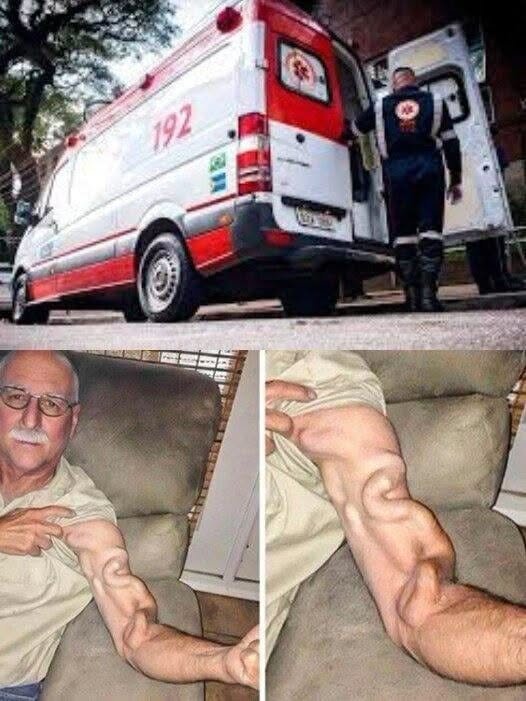
It started like something ordinary.
A man went to bed expecting a normal night. Maybe he had worked too hard that day. Maybe he had slept in an awkward position before. Maybe he assumed the discomfort in his arm was nothing more than a strained muscle, a pinched nerve, or one of those random pains people explain away until morning.
Then the pain became impossible to ignore.
It was not the mild ache that comes after lifting something heavy. It was not the kind of soreness that fades when you change position. It was severe, sudden, and frightening enough to make him realize something was wrong.
Stories like this spread quickly because they touch a fear many people have: what if the body is warning us, and we mistake the warning for something harmless?
That fear is understandable.
Arm pain is common. Most of the time, it is not a disaster. But sometimes, especially when it appears suddenly or comes with other symptoms, arm pain can be a sign of a medical emergency.
Arm Pain Has Many Possible Causes
The arm is connected to muscles, bones, joints, tendons, ligaments, nerves, blood vessels, and the heart’s warning system.
That is why arm pain can come from many different places.
It may come from overuse. It may be caused by sleeping in a poor position. It may follow exercise, lifting, carrying, or repetitive work. It may come from the shoulder, elbow, wrist, neck, or spine. A pinched nerve in the neck can send pain down the arm. Tendon irritation can make movement painful. Arthritis can cause stiffness and aching.
These causes are common and often not life-threatening.
But the dangerous part is that some serious conditions can also create arm pain. That is why context matters more than the pain alone.
A sore arm after lifting furniture is one story.
A sudden severe arm pain with chest pressure, sweating, nausea, shortness of breath, or dizziness is another story entirely.
When Arm Pain Can Be a Heart Warning
Many people expect a heart attack to feel like dramatic chest pain.
But heart attack symptoms can vary. The American Heart Association lists discomfort in one or both arms, the back, neck, jaw, or stomach as possible warning signs, along with chest discomfort, shortness of breath, cold sweat, nausea, or lightheadedness.
Mayo Clinic also notes that heart attack pain or discomfort can spread to the shoulder, arm, back, neck, jaw, teeth, or upper belly, and symptoms may include cold sweat, fatigue, heartburn-like discomfort, nausea, shortness of breath, dizziness, or loss of consciousness.
That is why sudden arm pain should not always be brushed off.
The heart and the arm can share nerve pathways in a way that makes heart-related pain show up somewhere other than the chest. Some people feel pressure. Others feel aching, heaviness, squeezing, burning, or discomfort that travels.
Not every arm pain is heart-related.
But if the pain is sudden, severe, unusual, or paired with symptoms like chest pressure, breathlessness, sweating, nausea, jaw pain, back pain, weakness, or a feeling of doom, it should be treated as urgent.
The Danger of “Waiting Until Morning”
One of the most common mistakes people make with serious symptoms is waiting.
They tell themselves it is probably nothing. They do not want to bother anyone. They worry about the cost. They feel embarrassed. They hope sleep will fix it.
But with heart symptoms, stroke symptoms, blood clots, severe infections, or major injuries, time matters.
Cleveland Clinic warns that severe arm, shoulder, or back pain that starts suddenly or occurs with chest pain or pressure may be a heart attack and requires immediate medical attention. It also advises care for severe arm pain and swelling, obvious injury, difficulty moving the arm normally, or pain that does not improve with self-care.
Mayo Clinic gives similar guidance: call for medical help or go to the emergency room if arm, shoulder, or back pain comes on suddenly, is severe, or occurs with chest pressure, fullness, or squeezing.
That advice is not meant to create panic.
It is meant to prevent delay.
If the symptom turns out to be something minor, that is a relief. But if it is a heart attack or another emergency, waiting can cost precious time.
Why People Misread Serious Symptoms
People often compare symptoms to what they have seen in movies.
In films, a heart attack is usually obvious: a person clutches their chest, collapses, and everyone immediately knows what is happening.
Real life can be less clear.
Some people have chest discomfort that comes and goes. Some feel pain in the arm, shoulder, jaw, neck, back, or upper stomach. Some feel short of breath, sweaty, nauseated, unusually tired, or anxious. Some symptoms are subtle enough that people mistake them for indigestion, stress, muscle strain, or poor sleep.
That is why unusual symptoms deserve attention, especially if they appear suddenly or feel different from anything you have experienced before.
The body does not always deliver warnings in a dramatic way.
Sometimes it whispers before it screams.
Other Serious Causes of Arm Pain
Heart attack is not the only concern.
Severe arm pain with swelling, warmth, redness, or tenderness could point to a blood vessel or infection problem. Arm pain after a fall or injury could involve a fracture, dislocation, tendon tear, or nerve damage. Pain with weakness, numbness, facial drooping, confusion, or trouble speaking could suggest a neurological emergency such as stroke.
Pain that travels from the neck into the arm may come from nerve compression. Pain with numb fingers, tingling, or weakness may need evaluation if it does not improve.
The point is not to self-diagnose.
The point is to recognize when the body is asking for help.
When It Is More Likely to Be Less Serious
Arm pain is more likely to be routine when there is a clear explanation.
For example, pain that begins after lifting, exercise, sleeping awkwardly, typing for long hours, or bumping the arm may be muscular or joint-related. If it improves with rest, gentle movement, ice or heat, and time, it may not be an emergency.
But even non-emergency pain should not be ignored forever.
If arm pain lasts for days, keeps returning, limits movement, causes numbness or weakness, or worsens instead of improving, it is worth getting checked.
A small problem is easier to treat before it becomes a bigger one.
What to Do If Arm Pain Feels Dangerous
If arm pain comes with chest pressure, shortness of breath, sweating, nausea, faintness, jaw pain, back pain, or sudden weakness, do not try to drive yourself to the hospital.
Call emergency services.
Sit or lie down while waiting. Stay as calm as possible. If emergency dispatchers give instructions, follow them. If aspirin is recommended by emergency professionals and there is no allergy or contraindication, they may advise it — but it is best to follow local emergency guidance rather than guessing.
Do not waste time searching symptoms for an hour.
Do not wait to see if it “fully becomes” a heart attack.
The safest move is to treat suspicious symptoms seriously.
The Viral Lesson
The viral story about a man waking with severe arm pain is powerful because it turns a common symptom into a warning.
But the responsible lesson is not that every arm ache means disaster.
The lesson is that sudden, severe, unusual arm pain should be taken seriously — especially when it comes with chest discomfort, pressure, breathlessness, sweating, nausea, dizziness, jaw pain, back pain, or weakness.
Most people do not need to fear every small pain.
They do need to respect symptoms that do not feel normal.
The Takeaway
Arm pain can be harmless, but it can also be a warning sign.
The difference often depends on how it starts, how severe it is, what other symptoms appear, and whether the pain feels unusual for you.
A mild ache after exercise may simply need rest. A sudden severe pain with chest pressure or shortness of breath may need emergency care. A painful swollen arm, obvious injury, weakness, numbness, or pain that does not improve should also be evaluated.
The body often gives clues before a crisis becomes obvious.
The smartest thing a person can do is listen early.
Because when pain is sudden, severe, or different from anything you have felt before, it is better to be checked and told it is minor than to stay home and discover too late that it was not.