Mack O'reilly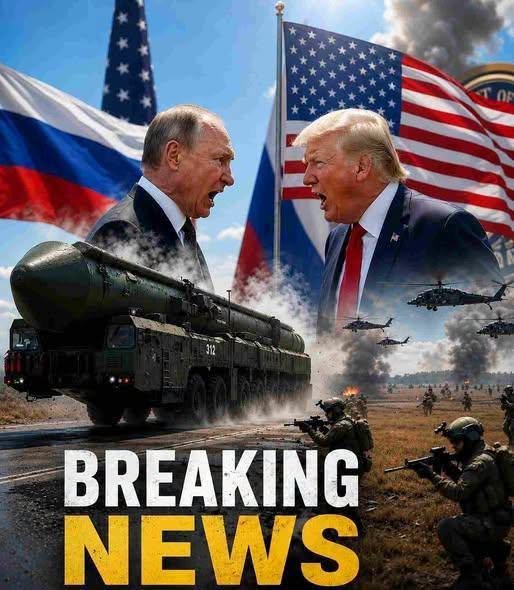
The headline is built to cause a reaction.
“Breaking News: 13 Countries Join Forces to Attack…”
It sounds urgent. It sounds military. It sounds like the beginning of a war. For anyone scrolling quickly, it creates instant alarm: who is attacking, who is being attacked, and how serious is this?
But that is exactly why headlines like this need careful reading.
A real international military attack involving thirteen countries would be major global news. It would appear across established news agencies, government statements, defense briefings, and international reporting. It would not only live inside vague social media captions and recycled “see more” posts.
In this case, the phrase appears widely across Facebook-style reposts, often with incomplete wording and click-driven captions. The clearest indexed article I found described a vague coalition forming amid geopolitical tension, but it did not identify an actual confirmed attack or provide clear official evidence that military action was underway.
That difference matters.
A coalition is not automatically an attack.
A warning is not automatically a war.
A viral headline is not automatically verified news.
The Headline Uses Fear Before Facts
The most important word in the headline is not “countries.”
It is “attack.”
That word changes everything. It turns a diplomatic development into something that sounds immediate and violent. It makes people imagine missiles, troops, explosions, retaliation, and global crisis.
But when the article behind a headline is vague, the language becomes misleading.
A coalition of countries can form for many reasons: defense planning, sanctions, maritime security, humanitarian coordination, joint exercises, intelligence sharing, regional deterrence, or diplomatic pressure. None of those automatically means a direct attack is happening.
That is why responsible reporting usually explains exactly what kind of action is being discussed.
Is it a military strike?
A defensive alliance?
A joint statement?
A training exercise?
A sanctions package?
A naval patrol?
A warning to another country?
If the headline says “attack” but the article cannot clearly answer those questions, readers should be skeptical.
“Breaking News” Is Often Used as Bait
The phrase “breaking news” used to mean something specific.
It meant an event was unfolding and new information was actively being reported. It suggested urgency, but also accountability from a newsroom.
Online, the phrase is often used more loosely.
A page can write “breaking” even when the story is old, unconfirmed, recycled, or exaggerated. The goal is not always to inform. Sometimes the goal is to make people click before they think.
That appears to be the pattern with this story. Search results show many social posts repeating nearly identical language, often with “see more” or “read more” framing.
That does not prove every detail is false.
But it does show that the headline is being circulated in a way common to viral traffic posts: emotional wording first, verification second.
A Real 13-Country Attack Would Be Hard to Hide
One reason this claim should be questioned is scale.
Thirteen countries joining together for military action would involve planning, logistics, aircraft, ships, troops, intelligence, official approvals, and likely public statements. Even if some details were classified, the broader action would almost certainly be covered by major international outlets.
Governments usually do not casually hide multinational military action once it begins. They may control details, but they often issue statements to justify the operation, warn adversaries, reassure allies, or explain legal grounds.
That is why the absence of clear, reliable confirmation is important.
If a story says thirteen countries are attacking but cannot clearly name the countries, target, date, official statements, and nature of the operation, it is not strong enough to treat as confirmed news.
The Vague Version May Be About Deterrence, Not War
The indexed repost that gives the most detail describes the supposed development as a “defensive coordination effort” in response to geopolitical instability. It also says officials had not indicated military action was imminent.
That sounds very different from “13 countries join forces to attack.”
A defensive coordination effort could mean countries are trying to prevent conflict, signal unity, or prepare for possible threats. It could involve meetings, drills, intelligence sharing, or diplomatic pressure.
Those developments may still be important.
But they are not the same as an attack.
This is how misleading headlines work: they take a serious-sounding situation and frame it in the most dramatic possible way.
The reader clicks expecting war.
The article delivers uncertainty.
Why These Stories Spread So Easily
International conflict headlines perform well because they trigger fear and curiosity.
People want to know whether a war is starting. They want to know whether their country is involved. They want to know whether fuel prices, travel, safety, or global stability could be affected.
That fear makes people click.
And once enough people click, pages have an incentive to keep using the same style of headline.
“13 countries join forces” sounds specific enough to feel real.
“To attack” sounds urgent enough to feel dangerous.
“See more” creates curiosity without giving the answer upfront.
It is an engagement formula.
How to Read Military Headlines Safely
When a headline suggests war, the first step is to look for official confirmation.
Check whether major news agencies are reporting it. Look for statements from defense ministries, foreign ministries, NATO, the United Nations, regional governments, or recognized international outlets. See whether the article names the countries involved and the exact action taken.
Also check the date.
Many viral conflict stories are recycled, rewritten, or reposted weeks later with the same “breaking” language.
Finally, separate these three things:
A country condemning another country is not an attack.
A country joining an alliance is not an attack.
A country participating in military exercises is not an attack.
A country launching strikes is an attack.
Good reporting makes those differences clear.
Clickbait blurs them.
The Bigger Problem: War Language Becomes Entertainment
The most troubling part of headlines like this is how they turn possible conflict into a traffic tool.
War is not just content. It means people may die, families may flee, economies may shake, and regions may become unstable. Using war language casually for clicks makes readers more anxious and less informed.
It can also make people numb.
When every vague post says “breaking,” “attack,” “confirmed,” and “shocking,” readers eventually stop knowing which warnings matter.
That is dangerous because real international crises do happen. Real military action does occur. Real warnings sometimes need attention.
But the more the internet floods people with exaggerated alerts, the harder it becomes to recognize reliable information.
The Takeaway
The “13 countries join forces to attack” headline should be treated cautiously.
I found repeated social media reposts and low-context articles using the phrase, but not reliable confirmation of a specific breaking multinational attack involving thirteen countries. The clearest indexed repost describes a vague defensive coordination effort and even says officials had not indicated imminent military action.
So the responsible conclusion is this:
There may be a story about international tension or defense coordination behind the headline, but the wording “join forces to attack” appears exaggerated unless stronger evidence emerges.
Before sharing a claim like this, check who is reporting it, whether official sources confirm it, which countries are named, and whether an actual attack has occurred.
Because when a headline uses war language, accuracy matters more than speed.