Mack O'reilly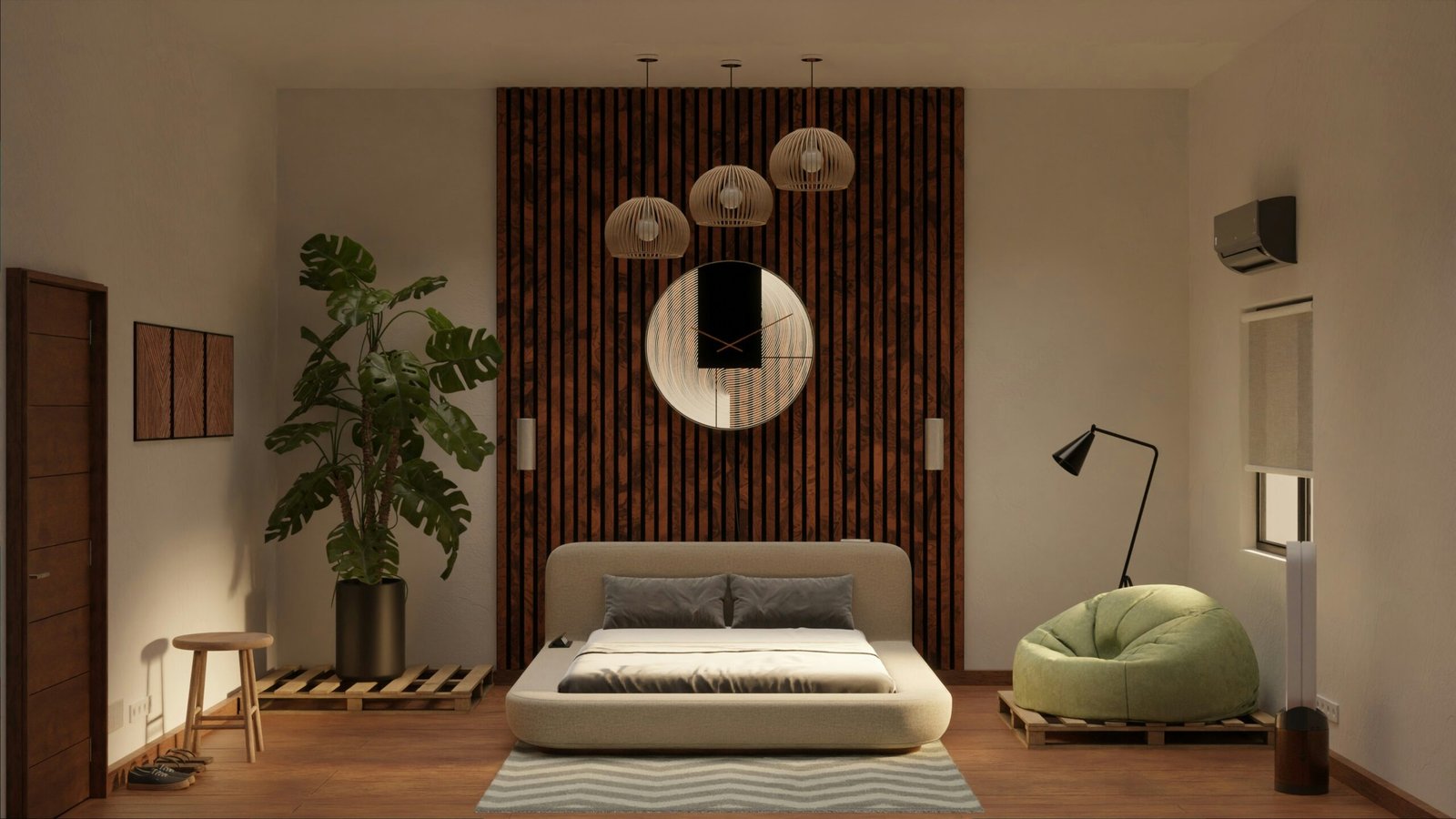
A Japanese-inspired bedroom is known for its calm atmosphere, uncluttered layout, natural materials, and close connection to the outdoors. Every element has a purpose, from the position of the bed to the amount of decoration displayed around it.
You do not need to rebuild your entire room or create a traditional Japanese interior to capture this feeling. A low-profile bed, warm wood, soft lighting, and a more thoughtful approach to storage can make an ordinary bedroom feel significantly more peaceful.
These Japanese bedroom ideas combine traditional influences with comfortable modern living.
1. Begin With a Low-Profile Bed
Low furniture creates a stronger visual connection between the room and the floor. It also leaves more open wall space, making the ceiling appear higher and the bedroom feel less crowded.
Choose a platform bed with a simple frame and limited ornamentation. Light oak, walnut, ash, and other natural wood finishes work particularly well.
A low upholstered frame can also work if you want a softer appearance. Keep the headboard modest so it does not dominate the room.
2. Create a Vertical Wood-Slat Wall
Vertical wood slats introduce rhythm, warmth, and architectural detail without requiring additional artwork. They work especially well behind a low bed because the vertical lines balance the horizontal shape of the furniture.
The wood does not need to cover the entire wall. A centered panel behind the bed can create a strong focal point while keeping the remaining walls simple.
For a renter-friendly alternative, use removable slat panels or wallpaper that realistically imitates narrow wood strips.
3. Use Warm, Natural Materials
Japanese-inspired interiors often emphasize materials that feel natural and pleasant to touch. Wood, linen, cotton, stone, paper, bamboo, and woven fibers can all contribute to a peaceful bedroom.
Try combining:
- A wooden bed frame
- Linen or cotton bedding
- A wool or jute rug
- Woven pendant lighting
- Ceramic accessories
- Paper or fabric window shades
Allow the materials’ natural colors and textures to provide decoration instead of adding many unrelated ornaments.
4. Keep the Color Palette Restrained
A Japanese-inspired bedroom usually works best with a controlled palette. Warm white, beige, taupe, soft gray, muted green, charcoal, and natural wood tones create a quiet foundation.
A darker accent color can add depth. Black frames, dark wood, or charcoal bedding will define the room without making it overly colorful.
Muted blue and green are also suitable because they reference the sky, water, and plants.
5. Introduce a Japandi Influence
Japandi design combines Japanese-inspired simplicity with the warmth and comfort associated with Scandinavian interiors. It is a practical choice for anyone who likes minimalism but does not want the bedroom to feel empty.
A Japandi bedroom might include:
- A low platform bed
- Pale or medium-toned wood
- Soft neutral bedding
- One comfortable lounge chair
- Textured rugs and cushions
- A limited number of handmade accessories
The result should feel relaxed and lived in while remaining visually organized.
6. Use Slatted Screens or Partitions
Slatted screens can visually divide a sleeping area from a wardrobe, workspace, or dressing area without completely closing the room.
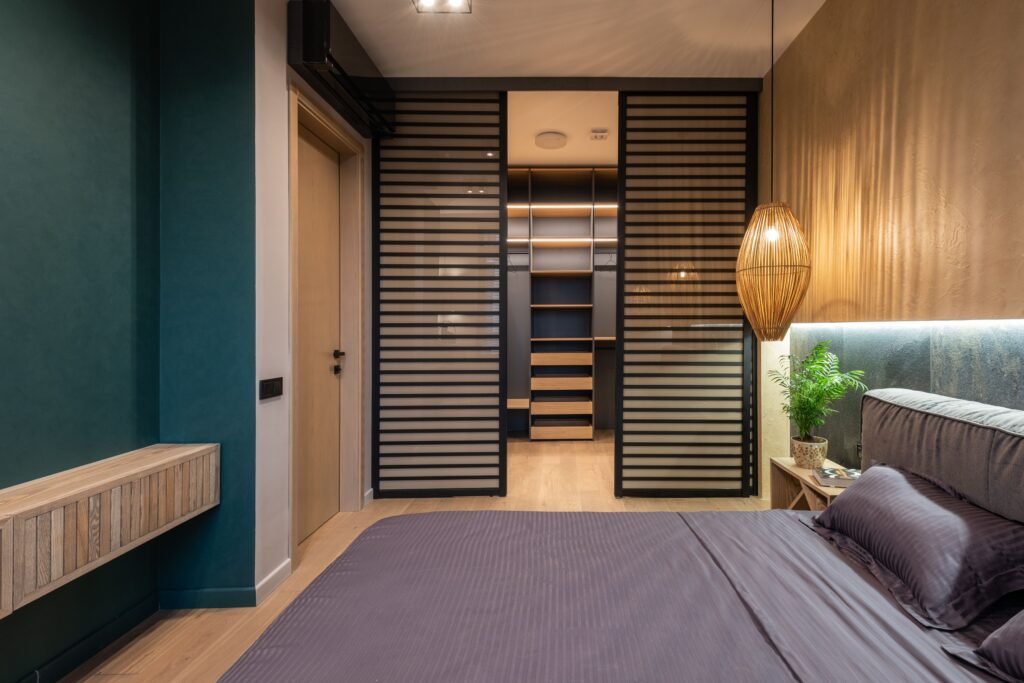
A sliding or fixed slatted partition allows light to pass through while creating a sense of privacy. Black slats provide a modern architectural look, while light wood creates a warmer and more traditional appearance.
If permanent construction is not possible, use a lightweight folding screen or freestanding divider.
7. Conceal Everyday Clutter
A room cannot feel peaceful when every everyday item is visible. Japanese-inspired interiors generally favor clear surfaces and intentional storage.
Use:
- Under-bed drawers
- Closed wardrobes
- Minimal bedside tables
- Storage baskets inside cabinets
- Wall hooks hidden behind doors
- A dedicated tray for small daily objects
The goal is not to remove everything you own. It is to give each item a logical home so the bedroom can be reset easily.
8. Add One Carefully Positioned Plant
Plants introduce life and movement to a minimalist bedroom. Instead of filling every surface with small pots, choose one larger plant with a clear silhouette.
Good positions include an empty corner, beside a dresser, or near a bright window. Select a plant suited to the room’s actual light and follow its specific care requirements.
If the bedroom has limited natural light, a high-quality artificial branch arrangement can provide a similar visual effect without difficult maintenance.
9. Choose Soft, Layered Lighting
Harsh overhead lighting can work against the calm atmosphere of a Japanese-inspired bedroom. Use several softer light sources instead.
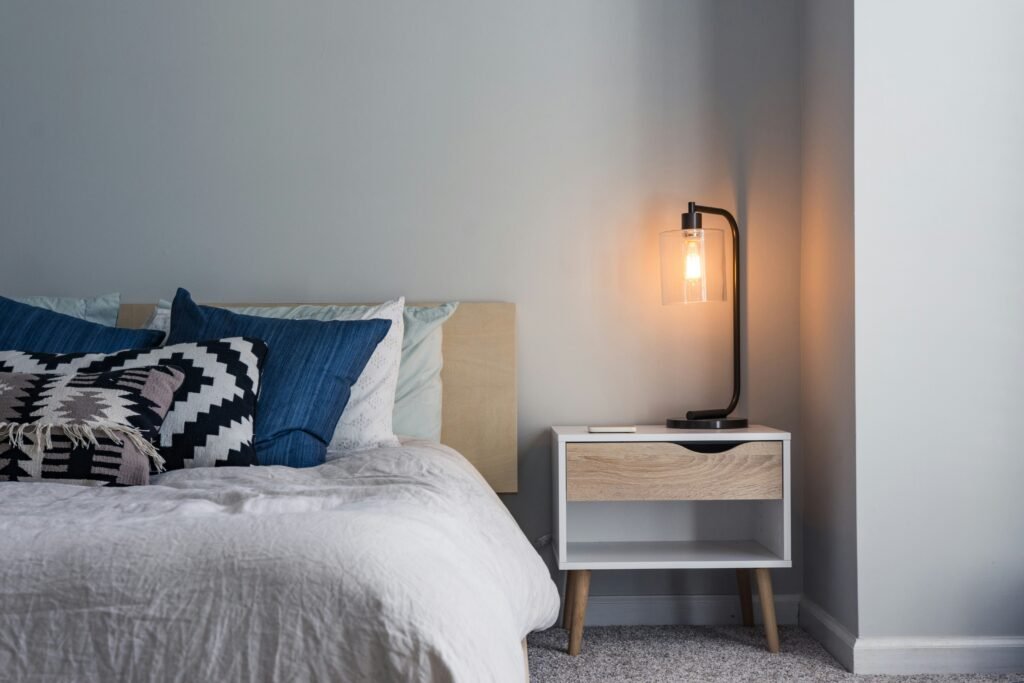
A warm bedside lamp can create a gentle evening glow, while a paper or woven pendant distributes light more softly throughout the room. Concealed LED strips can also highlight a slatted wall or the underside of a platform bed.
Use warm-white bulbs and include dimmers where possible.
10. Embrace Wabi-Sabi Simplicity
Wabi-sabi is commonly associated with appreciating simplicity, natural change, and the imperfect qualities of handmade objects. In a bedroom, this can be expressed through honest materials and items that do not look mass-produced.
Consider a handmade ceramic vase, naturally grained wood, a woven textile, or an imperfect plaster finish. The objective is not to make the room look unfinished. It is to allow materials to feel authentic rather than perfectly uniform.
11. Keep Wall Décor Minimal
Japanese-inspired bedroom walls do not need to be completely empty, but the artwork should have room to breathe. One or two carefully selected pieces can feel more intentional than a crowded gallery wall.
Suitable options include:
- Minimal landscape prints
- Ink-style artwork
- Abstract natural forms
- Botanical illustrations
- Framed textile pieces
- Simple black-and-white photography
Position artwork in relation to the furniture below it. A small print can look disconnected when placed too high above a wide bed.
12. Maintain Open Walking Space
The room’s layout is just as important as its decoration. Leave clear pathways around the bed and avoid filling every corner with furniture.
Begin with the essentials: the bed, storage, lighting, and one useful surface. Add a chair or bench only if the room has sufficient space and the piece will actually be used.
A simpler layout allows the bedroom’s materials, lighting, and proportions to become the main design features.
How to Create the Look on a Budget
A complete renovation is not necessary. Start with a few affordable changes:
- Remove decorations that no longer contribute to the room.
- Replace bright bedding with warm neutrals or muted colors.
- Use matching storage containers inside existing furniture.
- Add one warm bedside lamp.
- Introduce a natural wood element.
- Move furniture to create clearer walking paths.
- Display one plant or meaningful decorative object.
- Use peel-and-stick wood-effect wallpaper behind the bed.
These changes can establish the overall mood before you invest in new furniture or permanent architectural details.
Japanese-Inspired Bedroom Mistakes to Avoid
Adding Too Many “Themed” Decorations
A Japanese-inspired bedroom should focus on space, materials, and balance. Filling the room with unrelated decorative symbols can make the design feel artificial.
Confusing Minimalism With Emptiness
The room should still be comfortable. Bedding, curtains, rugs, and warm lighting provide softness without creating clutter.
Using Only Bright White
Pure white walls and furniture can make the bedroom feel cold. Warm whites, beige textiles, natural wood, and soft gray create a more welcoming result.
Ignoring Storage
Minimalist rooms require practical storage. Plan where clothing, electronics, books, and personal items will go before removing visible furniture.
Mixing Too Many Wood Finishes
Wood finishes do not need to match perfectly, but they should share a similar undertone. Two or three coordinated finishes will feel more intentional than several competing colors.
Final Thoughts
A Japanese-inspired bedroom is less about following a strict theme and more about creating balance. Low furniture grounds the room, natural materials add warmth, soft lighting creates comfort, and organized storage protects the calm atmosphere.
Start by simplifying the layout and selecting a restrained color palette. Then introduce wood, woven textures, and a few carefully chosen objects. The final bedroom should feel comfortable, functional, and peaceful rather than empty or overly decorated.