Mack O'reilly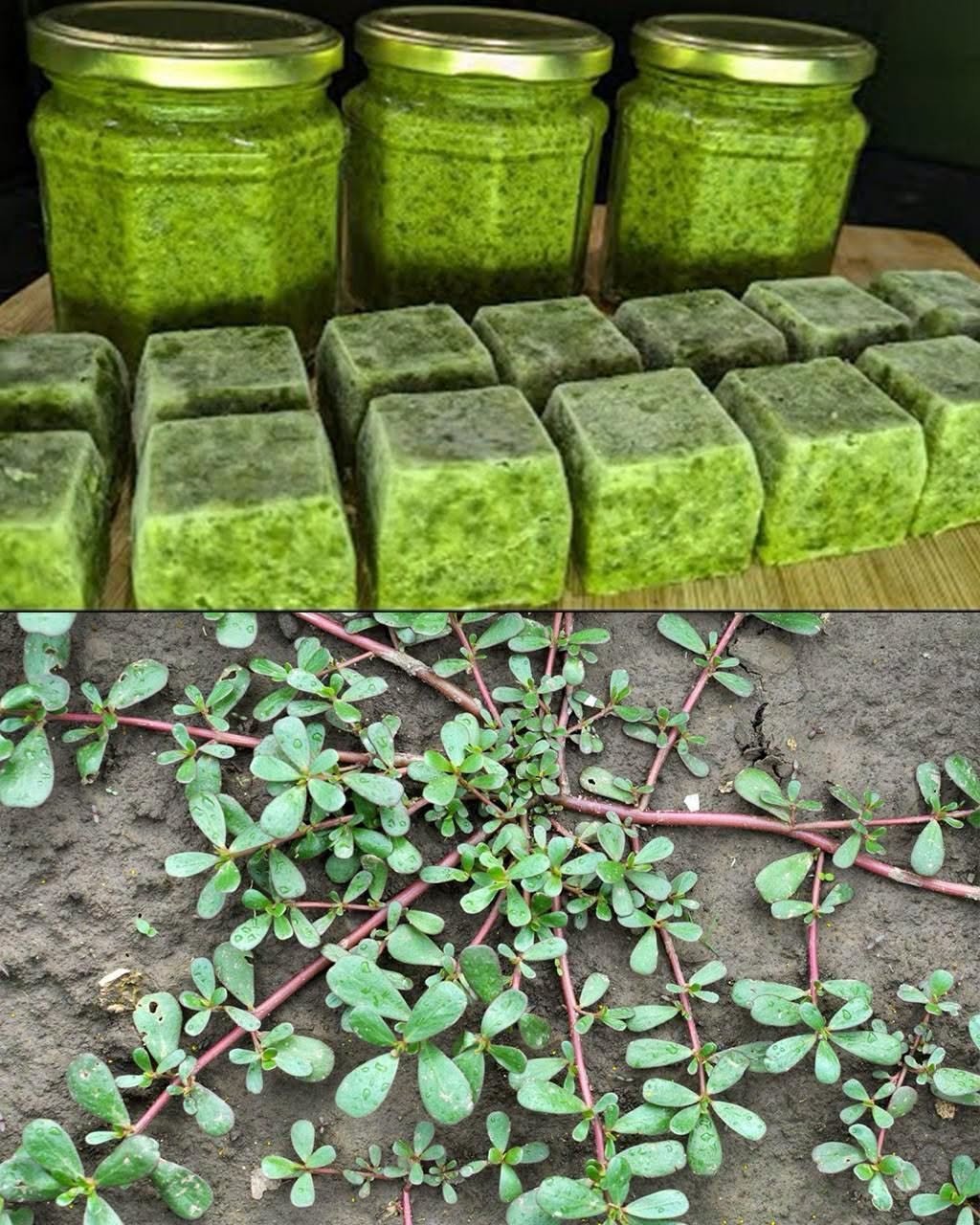
At first glance, purslane does not look like the kind of plant people would call powerful.
It grows low to the ground. Its stems are soft and reddish. Its leaves are small, smooth, and slightly thick, almost like tiny green paddles. In many gardens, it is treated as a weed — something pulled out, tossed aside, and forgotten before anyone thinks of putting it on a plate.
But in many parts of the world, purslane has never been just a weed.
It has been used in salads, soups, stews, and traditional home cooking for generations. Its flavor is slightly lemony, fresh, and earthy. Its texture is crisp when raw and tender when cooked. And once people begin looking beyond its humble appearance, they often discover that this quiet plant carries more nutritional value than expected.
For people over 60, that is where the interest becomes stronger.
Not because purslane is a miracle cure. It is not. No single plant can reverse aging, erase disease, or replace proper medical care. But as part of a balanced diet, purslane can be one of those simple foods that adds useful nutrients without requiring anything complicated.
A Small Plant With a Surprising Nutritional Profile
Purslane, also known as Portulaca oleracea, is known for containing vitamins, minerals, antioxidants, and plant-based omega-3 fatty acids. Research reviews describe it as a source of alpha-linolenic acid, an omega-3 fatty acid found in certain plant foods, along with antioxidant compounds and minerals.
That is one reason it attracts attention.
Most people associate omega-3s with fish. Purslane is different. It offers a plant-based source, which makes it interesting for people who do not eat seafood or who want more variety in their diet.
It also contains nutrients such as vitamin C, magnesium, potassium, and iron in modest amounts. A cup of raw purslane is low in calories while still adding micronutrients to a meal.
For older adults, those details matter.
After 60, the body often becomes less forgiving. Muscle maintenance, digestion, inflammation, hydration, heart health, and blood sugar balance all become more important. Food choices do not need to be extreme, but they do need to be thoughtful.
Purslane fits into that conversation because it is light, nutrient-dense, and easy to combine with other foods.
Why It May Support Heart-Friendly Eating
One of the biggest reasons people become interested in purslane is its connection to heart-conscious diets.
The omega-3 fatty acid found in purslane is alpha-linolenic acid. This is not the same as the omega-3s found in fish, but it is still part of the family of fats often discussed in relation to cardiovascular health. Purslane has been highlighted in scientific literature as a plant source of alpha-linolenic acid and antioxidant compounds.
That does not mean eating purslane every day will prevent heart disease.
But it may help improve the overall quality of a diet when it replaces less nutritious choices. For example, adding purslane to a salad instead of relying only on iceberg lettuce gives the meal more texture, more flavor, and a broader nutrient profile.
The benefit is not magic. It is substitution.
A plate with more greens, more fiber-rich plants, and more minimally processed foods usually serves the body better than one built around refined snacks, heavy sauces, and excess salt.
The Antioxidant Angle
Aging is often linked with oxidative stress, which is one reason antioxidant-rich foods receive so much attention.
Purslane contains antioxidant nutrients and plant compounds. Reviews of the plant describe potential antioxidant and anti-inflammatory properties, although many findings still need more human-focused research before strong medical claims can be made.
That distinction is important.
A food can be promising without being a cure. Purslane may contribute useful compounds to the diet, but it should not be sold as a treatment for serious conditions.
For someone over 60, the practical takeaway is simple: eating a wider variety of colorful and nutrient-rich plants is generally a smart move. Purslane can be one of those plants.
It can sit beside tomatoes, cucumbers, onions, beans, eggs, yogurt, whole grains, or lean meats. It does not need to be swallowed as a supplement or turned into a dramatic health ritual. It can simply become part of normal food.
Digestion and Light Meals
Many older adults begin paying closer attention to digestion.
Heavy meals can feel harder to process. Greasy foods may sit longer. Some people find that lighter plates with vegetables, soups, and simple proteins feel better throughout the day.
Purslane can work well in that kind of eating pattern.
Raw, it adds crunch and freshness to salads. Cooked, it softens quickly and can be added to soups, omelets, stews, or sautéed vegetables. Its slightly sour flavor can brighten a meal without needing much dressing.
This can be especially helpful for people who want food that feels satisfying without being too heavy.
Again, the value is not in eating huge amounts. It is in using purslane as one small part of a better routine.
Why “Every Day” Should Still Mean Moderation
Here is where many health articles go wrong.
They take a nutritious food and make it sound unlimited. That is not how real nutrition works.
Purslane contains oxalates, natural compounds also found in foods like spinach, beet greens, and some nuts. Oxalates can be a concern for people who are prone to kidney stones, especially calcium oxalate stones. Research on purslane has noted that raw leaves, stems, and buds can contain high levels of oxalate, and people with a tendency to form kidney stones may need to avoid regular high intake.
That does not mean everyone must avoid purslane.
It means daily use should be reasonable, especially for anyone with kidney stone history, kidney disease, or medical dietary restrictions. Cooking methods such as boiling may reduce some soluble oxalates, but people with known kidney issues should speak with a clinician before making it a daily habit.
This is especially important after 60, when kidney function, medications, and chronic conditions can vary widely from person to person.
Healthy for one person is not automatically healthy for everyone.
The Best Way to Add Purslane to Your Diet
The easiest way to use purslane is to treat it like a fresh green.
Wash it carefully. Remove tough stems if needed. Add a small handful to salads. Mix it with tomatoes, cucumbers, olive oil, lemon, and a little salt. Stir it into soups near the end of cooking. Add it to eggs. Use it as a fresh topping for beans or grains.
The flavor is strong enough to be noticed but not so strong that it takes over the meal.
For beginners, a few times per week is a better start than suddenly eating large portions every day. That gives the body time to adjust and lets you see whether you actually enjoy it.
Food should help your routine, not become another rule you feel forced to follow.
A Humble Green Worth Respecting
Purslane’s story is part of what makes it interesting.
It is common, overlooked, and often dismissed. Yet it has been studied for its nutrients, used in traditional food cultures, and valued by people who know how to cook with it.
For older adults, it may offer a simple way to bring more plant diversity into the diet. It can add freshness, minerals, antioxidants, and plant-based omega-3s without demanding expensive powders or complicated recipes.
But the honest version matters.
Purslane is not a miracle plant. It will not undo decades of poor eating. It should not replace medication, medical advice, or a balanced diet. And because of its oxalate content, it is not ideal for everyone in large daily amounts.
Still, when used wisely, it deserves more respect than it gets.
Sometimes the most useful foods are not the ones wrapped in expensive packaging or promoted with dramatic promises.
Sometimes they are the quiet green plants growing close to the ground — easy to miss, but worth noticing.