Mack O'reilly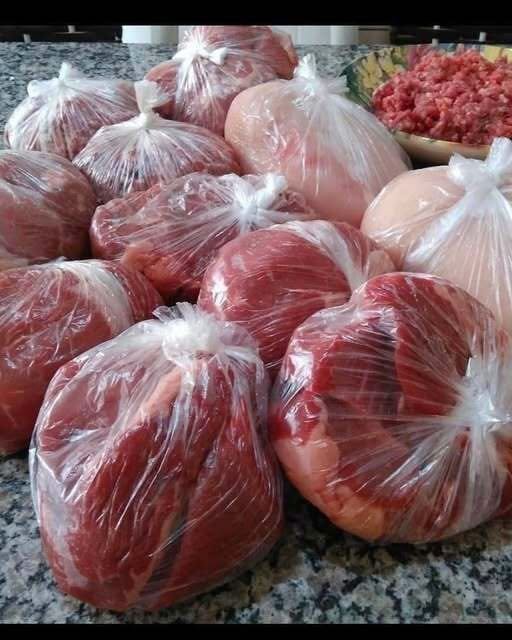
The meat aisle is built to make decisions feel simple.
Bright red steaks sit under clean lighting. Chicken breasts are trimmed and sealed in tidy plastic trays. Ground beef is stacked in neat rows, each package carrying words that sound reassuring: fresh, natural, premium, farm-raised.
For most shoppers, that is enough.
You look at the color. You check the price. You glance at the expiration date. Then the package goes into the cart.
But supermarket meat is not just food sitting on a shelf. It is the final stop in a long commercial system involving farms, processors, packaging plants, transport routes, storage facilities, marketing language, and consumer psychology.
That does not mean every package is unsafe or dishonest. It means the clean, simple version you see in the store often leaves out the more complicated story behind it.
The First Thing You Notice Is Color
Most people judge meat with their eyes before anything else.
Bright red beef feels fresher. Pink chicken feels safer. Anything dull, dark, or brownish can make shoppers hesitate.
Supermarkets know this. Food companies know this too.
That is why packaging plays such an important role. Modern meat is often packed in ways designed to preserve its appearance and slow visible signs of aging. Modified atmosphere packaging can use gases such as oxygen, carbon dioxide, nitrogen, and in some systems carbon monoxide to help maintain color and shelf appeal. Carbon monoxide, where allowed, can stabilize red meat color even though color alone is not a complete freshness test.
That is the important part: color can help, but it does not tell the whole truth.
A red package is not automatically the freshest. A slightly darker package is not automatically spoiled. Meat quality depends on handling, storage temperature, age, packaging method, odor, texture, and whether it has been kept safely from processing to purchase.
The problem is that shoppers are trained to trust appearance quickly. The industry does not need to explain everything if the product already looks good enough to buy.
The Label Can Be More Marketing Than Explanation
The next thing people trust is the label.
Words like “natural,” “farm-raised,” “premium,” and “quality selected” sound comforting. They create an image of small farms, careful handling, and traditional food production.
But many of these words are broad. Some may have legal meaning depending on the country and product, while others are mainly used to shape perception.
A label may tell you the weight, price, expiration date, and sometimes country of origin. It may not clearly explain how the animal was raised, how long the product traveled, whether it passed through multiple facilities, or what kind of supply chain brought it to that store.
That gap matters.
Because when a shopper sees a clean label, they often assume the full story is clean too.
Supermarket Meat Is Usually Built for Scale
Most supermarket meat is designed around volume.
Large retailers need consistent supply. They need thousands of packages that look similar, arrive on schedule, last long enough on shelves, and meet a price point shoppers will accept.
That kind of system favors scale.
Animals may be raised in large operations. Meat may be processed in high-speed facilities. Products may travel long distances before reaching the display case. Packaging may happen in one location, distribution in another, and retail sale in another.
None of this automatically means the product is bad.
But it does mean supermarket meat is often less personal and less traceable than shoppers imagine. The package may look simple, but behind it is a chain of decisions made for efficiency, cost control, shelf life, and visual appeal.
The customer usually sees only the last step.
“Affordable” Can Hide Other Costs
Supermarket meat often looks like the best deal.
A low price per kilogram or pound can feel like a win, especially for families trying to manage food costs. But low prices rarely happen by accident.
They are usually made possible by industrial farming, bulk purchasing, centralized processing, large-scale distribution, and tight supplier contracts.
Those systems can make meat more accessible. They can also create hidden costs that do not appear on the sticker.
Animal welfare concerns, environmental pressure, transportation emissions, worker conditions, and differences in production standards may all sit behind a low price. The shopper does not pay those costs directly at checkout, but they are still part of the system.
That is why the cheapest option is not always the clearest option.
Sometimes it is simply the option where the real story has been compressed into a barcode and a discount sticker.
Added Solutions and Processing Deserve Attention
Some meat products are not just plain cuts.
Certain items may include added water, salt solutions, preservatives, flavor enhancers, or other ingredients used to improve tenderness, increase weight, extend shelf life, or create a more appealing eating experience.
Again, that does not automatically make the product dangerous. Many practices are regulated, and many consumers buy these products without issue.
The real concern is awareness.
If you think you are paying only for meat, but the package includes added solution, then the value is different. If a product looks fresh mainly because of packaging technology, then appearance becomes less reliable. If the label uses attractive language without giving meaningful detail, then the shopper is making a decision with limited information.
And that is where supermarkets have the advantage.
They do not need to lie. They only need to present the product in the most flattering way possible.
What Shoppers Should Actually Look For
Buying supermarket meat is not the problem. Buying blindly is.
A better approach starts with slowing down for a few seconds before placing the package in the cart.
Check the full label, not just the front words. Look for added ingredients or solutions. Compare price by actual weight. Notice whether the packaging is damaged, leaking, swollen, or poorly sealed. Pay attention to smell when opened at home, not just color in the store. Follow storage instructions carefully and use or freeze meat within safe timeframes.
When possible, choose products with clearer sourcing information. If a store has a butcher counter, ask where the meat comes from. If local farms or trusted suppliers are available and affordable, consider using them for at least part of your meat shopping.
The goal is not perfection. Most people cannot research every package of food they buy.
The goal is awareness.
The Display Case Is the End of the Story, Not the Beginning
Supermarkets are designed for speed.
They want shoppers to move through aisles, trust the packaging, and make fast decisions. That is why the meat section looks clean, bright, and controlled. It removes doubt. It makes the product feel simple.
But meat is never simple.
Before it reaches the shelf, it has passed through a system shaped by farming methods, transport time, processing standards, packaging science, pricing pressure, and marketing choices.
The package in your hand is only the final chapter.
So the next time a perfect-looking tray of meat catches your eye, do not panic — just pause.
Read more carefully. Question the words. Look beyond the color. Think about where it came from, how it was handled, and what the label is not saying.
Because being an informed shopper does not mean avoiding supermarkets altogether.
It means understanding that the cleanest-looking package is not always the most transparent one.